Last updated: Apr 19, 2026
In this area, spring storms and hail events are a meaningful local trigger for roof damage claims and can also delay contractor scheduling in Princeton Junction. After the storm, survey the roof with a careful eye for fast-moving clues: dented shingles, granule loss in gutters, curled edges, damaged flashing around chimneys or vents, and any newly formed dark spots on interior ceilings or attic rafters. If you notice active leaks, puddling in ceilings, or water streaks on walls, treat it as urgent. Do not assume a problem is minor or only cosmetic-impact from hail or wind can compromise underlayment and roof deck before visible signs appear. Safety first: avoid climbing onto a slick roof during wet, windy, or stormy conditions, and enlist a partner if you must inspect from the ladder. Keep a close watch on the forecast; a quick response minimizes interior damage from thaw-driven leaks that can follow.
Cold winters with snow and freezing temperatures in Princeton Junction create freeze-thaw stress that often reveals leaks only after a thaw. Pay particular attention to attic insulation and ventilation when the weather shifts above freezing; ice damming is a real risk that can back up water under shingles and into eaves, causing hidden rot. If you observe ice buildup along the eaves during a thaw, address attic heat loss and ensure soffits, vents, and ridge vents are not blocked. Even if the exterior looks intact, the interior can show staining or musty odors after a thaw. Do not delay investigating a suspect roof slick with thaw meltwater-delays can escalate the extent of interior damage and complicate any later repair or replacement decisions. For homes with steep slopes, small leaks often travel along rafters to reach ceilings far from the original breach; tracing the path can save time and reduce worry.
New Jersey insurers commonly want photos, inspection reports, and documentation separating new storm damage from pre-existing wear, which makes early post-storm roof documentation especially important here. Start by photographing every exposed area of the roof from multiple angles within 24 to 48 hours after the event, while conditions are still fresh and daylight is abundant. Capture close-ups of shingles, flashing, vents, and skylights, plus wide shots that show the overall roof profile and any tree debris. Take interior photos of any water stains, sagging ceilings, or attic moisture indicators, and note the date and time of the storm. Maintain a simple log of weather conditions, any temporary measures taken (tarps, buckets, fans), and the dates you contacted contractors. When an inspector visits, provide copies of these photos and your log, and request that the report clearly identifies new damage versus pre-existing wear. A quick, thorough dossier not only streamlines the claim, it reduces back-and-forth questions about the cause or timing of the damage.
While awaiting a response or a contractor, perform non-destructive mitigation to limit further damage. Use tarps or waterproof plywood over damaged sections if safe to do so, ensuring they are secured against wind. Clear gutters and downspouts of debris to improve drainage, but avoid dislodging any still-weak shingles. Trim overhanging branches that could rub or become projectiles in a storm, reducing the risk of additional impact. If a leak is active, place a bucket under the drip and protect valuables with plastic sheeting. Keep receipts for temporary repairs and any materials you purchase; insurers often request documentation of out-of-pocket protections as part of the claim process.
Expect scheduling delays after major storms, and plan accordingly. When you secure an experienced local roofer, ask for a written assessment that distinguishes storm damage from wear, and request a plan that addresses both immediate leaks and long-term stability. For steep-slope reroofing, insist on measuring and reporting the slope angle, material compatibility with local conditions, and a clear sequence of work that minimizes further disruption in a commuter-heavy neighborhood. A prompt, precise approach keeps a claim moving and restores reliability to your home sooner.
Your replacement budget is anchored in per-square pricing for common material choices: asphalt shingles, metal, clay tile, concrete tile, wood shingles or shakes, and synthetic or composite shingles. In practical terms, estimate costs in the following ranges: asphalt shingles from 550 to 900 USD per square, metal from 900 to 1800 USD per square, clay tile from 1500 to 2600 USD per square, concrete tile from 1200 to 2100 USD per square, wood shingles or shakes from 700 to 1200 USD per square, and synthetic or composite shingles from 750 to 1100 USD per square. These figures reflect typical local bids and the emphasis on steep-slope systems that predominate in the area.
After a regional storm event, prices can rise because demand for emergency repairs, inspections, and full reroofing spikes. A common pattern is a surge in scheduling pressure, which can push both material and labor bills higher for a window of several weeks. In practice, anticipate not only the material price tier but also the added cost of expedited work, temporary protection, and junction-point fixes that often accompany storm aftermath. The result is a practical expectation rather than a certainty: a straightforward roof swap may drift toward the higher end of the local ranges during peak response periods.
The area's housing stock leans toward steep-slope residential systems rather than large flat roofs, so tear-off complexity becomes a major cost driver. A steep pitch demands safer access, more comprehensive flashing work, and meticulous cleanup of nails and debris from the yard and street. These steps matter more here than membrane area alone. Expect more labor minutes per square compared with flatter installations, and plan for careful disposal and site restoration. In sum, while material choice is important, the real variance in your project often tracks with teardown difficulty, flashing repairs, and how thoroughly the area is cleaned after the job.
Asphalt shingles remain the most budget-friendly option, with predictable performance for the climate and a straightforward replacement workflow. Metal can offer longer life and better wind performance but carries a higher upfront price. Clay or concrete tile delivers distinctive aesthetics and durability yet adds weight, requiring structural confirmation and potentially higher installation complexity. Wood shingles or shakes bring a traditional look but require more maintenance in humid seasons. Synthetic or composite shingles can blend reasonable cost with enhanced durability. In a storm-prone, steep-slope environment, the choice should balance initial expense, expected lifespan, and the tolerance for seasonal repairs.
Begin by confirming the per-square target for your preferred material, then add a buffer for tear-off and flashing work typical of steep slopes. If a storm event occurs, prepare for possible price shifts and tighter scheduling windows. Finally, align your material choice with the long-term performance you want in a climate with freeze-thaw cycles and hot summers.
Eleven Exterior
(201) 800-5856 www.elevenexterior.com
Serving
5.0 from 24 reviews
Family-owned and local, Eleven Exterior is a GAF-Certified, Google Guaranteed contractor—licensed, insured & bonded for total peace of mind. Since 2006 we’ve served Highland Park, Edison, and all Middlesex County. Our mission: deliver humane, honest service that deliver value to customer and builds long-term, win-win relationships. Searching for roofers in Highland Park? Factory-trained crews finish most roof, siding, gutter, and storm-damage jobs in one day, installing architectural shingles, James Hardie or Ply Gem siding, and copper/aluminum seamless gutters. Enjoy a free 30-minute inspection, photo report, and transparent quote—no upsells. Backed by 50 + five-star reviews and strong workmanship warranties for lasting confidence.
Elite Work Home Improvement & Roofing
(201) 699-7959 eliteworkhomeimprovement.com
Serving
4.9 from 104 reviews
Since 2005, Elite Work Home Improvement & Roofing has been the trusted name for homeowners in Clifton and beyond. With a wide range of services, including expert roofing, professional deck building, and meticulous chimney services, they are dedicated to enhancing your home's exterior. The skilled team also specializes in siding and window installation, ensuring every project is completed with a commitment to quality and craftsmanship. From the roof down to the last detail, Elite Work Home Improvement & Roofing provides comprehensive solutions for all your home improvement needs. Call us now for a FREE Estimate!
Accurate Roofing & Siding
(609) 599-1632 www.accurateroofing.com
Serving
5.0 from 57 reviews
Accurate Roofing and Siding is top-rated, certified roofing and siding contractor in New Jersey and Pennsylvania. Since 1987, we have offered complete roofing and exterior systems services for home and business owners. Our family-owned and managed company set high workmanship standards from the beginning and built long-term success through hard work, intensive training and dedication to our customers.
AD Roofing
(609) 540-2983 www.adroofinginc.com
Serving
5.0 from 212 reviews
AD Roofing provides services for roofing, siding, gutters, windows, doors, kitchen remodeling, and bathroom remodeling in New Jersey and Southeast Pennsylvania.

Dream Home Roofing
Serving
4.9 from 361 reviews
Dream Home Roofing is a trusted, top-rated roofing company serving New Jersey, Eastern Pennsylvania, New York, and Connecticut. Since 2018, we’ve specialized in residential roof replacement, roof repair, siding installation, gutter solutions, solar panel removal and reinstall, and storm damage restoration. Our licensed and insured team is known for honest service, expert craftsmanship, and reliable results. We’re committed to protecting your home with high-quality, affordable exterior solutions and exceptional customer care. Contact us today to schedule your free roof inspection and get the professional service your home deserves.
Unique Roofing & Restoration
(609) 245-8364 www.uniqueroofingrestoration.com
Serving
5.0 from 51 reviews
Welcome to Unique Roofing & Restoration, your premier destination for exceptional roofing and restoration services. With years of experience and a commitment to excellence, we take pride in providing top-notch solutions tailored to meet the unique needs of every client. Whether it’s a minor repair, a complete roof replacement, or a comprehensive restoration project, our team of skilled professionals is dedicated to delivering superior quality and unmatched craftsmanship. We understand that your home is your sanctuary, and we strive to protect and enhance it with our reliable, efficient, and affordable services.
Lita Construction
(201) 540-7772 litaconstructionllc.com
Serving
4.9 from 70 reviews
Welcome to Lita Construction—your go-to specialists for roofing, siding, chimney, and masonry projects. With our focus on quality and precision, we deliver top-tier construction services tailored to your needs. From fixing roofs to enhancing exteriors, restoring chimneys, and perfecting masonry, we excel in every aspect. Count on us for reliable, efficient, and cost-effective solutions. Choose Lita Construction for all your construction needs and experience unmatched professionalism and expertise.
Fern Family Roofing
(609) 222-1308 fernfamilyroofing.com
Serving
5.0 from 73 reviews
Fern Family Roofing is the neighborhood roofing company you are looking for. Providing contracting services in New Jersey & surrounding areas. We're a family-owned business with over 25 years of experience in the roofing industry. We tailor ourselves to our clients and aim to provide a great experience. We want to create a relationship with the customer in which you will feel glad to call us years down the line.
Right Service Roof Repair & Roofing
(640) 224-8132 rightserviceroofrepairandinstallationnj.com
Serving
5.0 from 33 reviews
Right Service Roof Repair and Roofing. All aspects of roofing, including installations, repairs, and upgrades, are the specialty of our expertise. From flat commercial systems to steep-slope shingle roofs, we provide dependable solutions that are catered to your requirements and financial constraints. Our dedication to quality guarantees that every roof satisfies the strictest requirements for durability and safety.

Avany Contractors
(888) 959-8883 www.avanyroofingllc.com
Serving
5.0 from 22 reviews
We're specialist in roofs, siding, gutters, decks, windows, doors & more.
Pro Quality Construction
Serving
4.8 from 50 reviews
At Pro Quality Construction, our goal is to satisfy our customers by extending affordable, high-quality, and professional services. We know how important your home remodel is to you, and we want to be part of turning your vision into reality. Our core value is providing an excellent customer experience. We guarantee that we will provide you not only with installers, but trade craftsmen who can turn your dream into reality. Regardless of your project type or size, Pro Quality Construction can create a design, formulate a plan, and deliver fabulous finished results.
Mercer Roofing & Siding
(609) 414-6369 mercerroofingandsiding.com
Serving
4.9 from 55 reviews
We are a New Jerseys well known and respected roofing contractor. We specialize in roofing repair and replacement, skylights and chimneys. No job is too small or too big for our talented mater roofers.
In this area, winters bring freeze-thaw cycles that can stress seals and fasteners, while humid summers push roofs to shed moisture efficiently. The typical housing stock often features steep slopes, which helps water and snow move away, but it also highlights the need for reliable flashing, venting, and edge details where higher wind and ice can press against the roof edge. Asphalt shingles remain a dominant local choice, yet the combination of hot, humid summers and cold snaps can accelerate aging and expose brittle or poorly sealed areas. A roof that resists fiber saturation from humidity and maintains strong granule adhesion through seasonal swings tends to hold up better over a decade or two.
Asphalt shingles are familiar to most homeowners here because they offer straightforward installation and a broad range of styles. They respond well to the local rhythm of rain and sun, but prolonged heat can cause faster granule loss and color fading, while winter moisture can lead to more frequent nondramatic leaks if seals fail or shingles lift at the edges. When considering maintenance, pay attention to flashings around chimneys, skylights, and valleys, since those penetrations bear the brunt of freeze-thaw movement and heavy summer downpours. After a storm, inspect for lifted tabs, damaged granules, or shingle edges that show exposed underlayment. If you find pooling water along eaves or near a ridge, it's wise to check for clogged gutters and confirm repointing of any shingle-fastener zones that see repeated impact from wind-driven rain.
Metal can shed snow more predictably and cool rapidly after storms, which reduces ice dam risk along eave lines. In summer, metal reflects more solar energy than dark shingles, which can help minimize interior attic heat. However, metal requires careful attention to penetrations and flashing: step-flashing at walls, sealant around roof-to-wall transitions, and proper closure at vents matter more here because freeze-prone winters can push water into small gaps if flashing is overlooked. Choose panels with exposed fasteners or concealed-fastener systems based on slope and roof shape, and ensure coatings are rated for humid air and salt exposure from seasonal mix without assuming a generic finish will endure indefinitely. Regular checks around skylights, plumbing vents, and chimney seals help prevent moisture from penetrating during heavy spring rain or rapid thaw cycles.
Clay and concrete tiles offer durability and a distinct look that some homes in this market pursue. They tend to be heavier; installation must account for structural support and proper underlayment to resist local winter moisture and wind-driven rain. Wood shakes provide a traditional aesthetic but are more sensitive to humidity and extend exposure to freeze-thaw stress. In this climate, synthetic composites bring resilience against moisture and temperature swings while reducing maintenance, yet attention to ventilation and drainage remains crucial. For any heavier or moisture-sensitive option, ensure the roof assembly breathes adequately and that the transition zones-valleys, rake edges, and eave lines-are engineered to handle seasonal moisture swings and rapid drying in hot summers. After storms, document affected areas and leaks for insurance and remediation planning, and keep an eye on moisture retention in any wooden components to prevent long-term decay.
The most popular roofing material in the US. Find pros who install, repair, and replace asphalt shingles.

In this jurisdiction, a building permit is normally required for a full roof replacement. The municipal building department handles the front end by reviewing the replacement plan, issuing the permit, and scheduling the necessary inspections after installation to verify code compliance. The process is straightforward but expects that the plan clearly shows material choices, fastening methods, underlayment, ventilation, and any outbuildings or eaves that interface with the main roof. If a contractor plans any changes to roof geometry-like a new dormer, skylights, or venting configurations-those details should be part of the permit submittal to avoid delays later. Domestic water or gas line interactions with the roof system may have to be addressed in the plan if they intersect the work area.
The timeline in Princeton Junction can vary depending on department workload and weather. During particularly busy weeks or after a stretch of heavy rain, the review may take longer than usual, and that can push inspection dates out by several days. When planning reroofs after spring storms or winter freeze-thaw cycles, it helps to assemble your packet early: a project description, contractor contact, waste disposal plan, and exact product choices. If permits are pursued promptly, the city can still encounter hold-ups caused by missing details or missing accompanying documents, so double-check that every sheet is legible and complete before submission.
Inspections are conducted after the roof installation is in place to verify code compliance. The inspector will check that the roof attachment method matches the approved plan, that underlayment and ventilation meet code requirements, and that penetrations for vents, plumbing, and exhausts are properly flashed and sealed. In a typical installation, the check confirms that the project mirrors the permit plan, including any changes that occurred during construction and are reflected in final as-built notes. If discrepancies are found, the contractor will need to address them before the project can be closed out.
Inspection timing can be particularly sensitive when homeowners are trying to close out reroofs quickly after storm damage. Weather conditions and the department's current workload can delay the final approval, even after installation is complete. To minimize delays, coordinate closely with the contractor to ensure all necessary documentation is on hand at the time of permit issuance and keep a clear line of communication with the building department. If a quick closeout is essential, ask about the department's priority criteria and whether temporary measures or interim safety inspections are possible while the permanent finishing work is completed.
New Jersey property insurers commonly request documentation of pre-existing damage and a detailed scope of work before approving roof-related claims. In a area where spring storms and winter thaw cycles can aggravate hidden issues, having a clear, organized record helps your claim survive the scrutiny that often comes after broad-weather events. Take the time to gather past repair receipts, any notes from previous inspections, and a simple map that marks trouble spots on your roof. When you present a complete picture, adjusters can differentiate what was already present from what the storm or freeze actually worsened.
Adjusters may require photos and inspection reports, so you benefit from documenting storm- and thaw-related damage before temporary repairs obscure conditions. After a storm, use a wide-angle shot of the entire roof and close-ups of curled shingles, damaged flashing, or granule loss. Photograph the attic as well, focusing on signs of leaks, staining, or condensation. If a thaw creates new ice dams, capture the ridge, eaves, and interior water stains promptly. A dated photo log paired with a concise written note of when you observed each issue can save you questions later in the claims process.
Some carriers in New Jersey have tightened coverage in recent years, especially after major storm events, which can affect whether homeowners pursue repair versus full replacement. If multiple roof sections are compromised or the underlying decking shows widespread wear, you may face a dilemma about budgeting for a repair versus replacement. Before committing to a course of action, review how your insurer views these scenarios, and be prepared to provide a clear justification for the chosen path. In practice, a well-documented condition report, paired with professional input on the likely progression of damage, often supports a more favorable, timely resolution.
Keep a running file of all communications with the insurer and the contractor, including dates, names, and what was promised. When arranging a roof inspection, provide the adjuster with your compiled records and a concise summary of observed issues. If moisture appears in the attic after thaw events, warn the insurer promptly and supply any relevant interior photos. By approaching the claim with thorough documentation and a careful, evidence-based narrative, you reduce the risk of delays and avoidable disputes that can stretch into the following season.
Connect with contractors who help homeowners navigate the claims process from damage assessment to final approval.
Unique Roofing & Restoration
(609) 245-8364 www.uniqueroofingrestoration.com
Serving
5.0 from 51 reviews
In this market, leaks most often trace to three spots: roof windows, flashing around transitions, and the way sealants behave after freezes. The combination of steep-slope roofs common here and the local mix of older homes with newer additions means these details fail at differing rates, depending on how well they were originally installed and how much seasonal movement the roof has seen. Start any assessment by checking the most exposed edges first, then move inward to interior ceilings near known trouble spots.
Skylights are a frequent culprit for interior moisture. Look for stubborn damp patches around the curb, condensation buildup between panes, and dark staining along muntins. In Princeton Junction, the issue is not just rain but rapid temperature swings that stress glazing beads and sealants. Tighten flashing where the curb meets the roof, reseal any cracked or degraded curb flash, and replace failing shims or fasteners. If you notice persistent pooling around the skylight, inspect the interior drywall or plaster for hidden water damage and track the source outward from the curb.
Chimneys introduce complex transitions where masonry, metal flashing, and roofing materials meet. In this market, flashing around the chimney is a frequent leak source as mortar cracks and the metal legs corrode. Check the step and counterflashing along the chimney sides, plus the joint where the chimney cap integrates with the roof plane. If a leak appears along a chimney seam after a freeze-thaw cycle, reseal with a compatible sealant and ensure the flashing legs are properly bedded and nailed.
Freeze-thaw winters make flashing and sealants more prone to failure than summer conditions. After a heavy storm or a cold snap, perform a close inspection of edges, valleys, and any transitions near skylights and chimneys. Look for hairline cracks in sealants, loose shingle tabs, or displaced metal flashing. Address small issues promptly before they widen with a few more freeze-thaw cycles. For interior signs, map any damp spots to their likely roof origin and recheck surrounding attic vents and insulation to prevent a recurrence.
Find contractors experienced in skylight installation, flashing, and leak repairs to bring natural light into your home.
Elite Work Home Improvement & Roofing
(201) 699-7959 eliteworkhomeimprovement.com
Serving
4.9 from 104 reviews
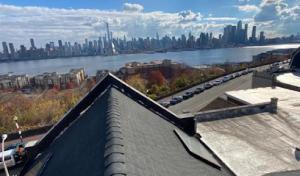
In this area, flat- and low-slope portions are common on additions, porches, and attached garages, even though the main roofs are steep. Water movement on these surfaces hinges on proper drainage design, reliable seam integrity, and clear pathways for runoff. In practical terms, that means paying close attention to deck slope, scupper or gutter capacity, and curb flashing at transitions to higher-pitch roofs. A small misalignment or clogged outlet can lead to standing water that invites leaks, especially after heavy spring rains.
Winter weather in Princeton Junction brings frequent freeze-thaw cycles that stress low-slope assemblies differently than steep roofs. Ice dams can form at the edges, pushing water under flashing and along seams if drainage is slow or blocked. Snow accumulation on a flat or nearly flat surface weighs on the membrane and can mask small punctures or micro-tears. Seasonal checks should emphasize edge detailing, seam sealing, and the condition of roof penetrations that may widen gaps when the substrate contracts and expands with temperature swings.
Summers bring high humidity and heat that affect low-slope systems during installation and curing. Materials may require longer cure times in heat or be more sensitive to rapid temperature changes if applied during extreme weather windows. When planning reroofs or repairs, consider mid- to late-season work where days are warm but not scorching, and moisture levels remain manageable. Improper timing can compromise adhesive bonds, seam seals, and overall waterproof performance of the low-slope system.
Routine inspection should emphasize the condition of seams, flashings, and drainage outlets. After storms, check for compromised or loose flashing around penetrations and at transitions to steeper sections. Debris buildup in gutters and scuppers is a recurring issue in suburb-heavy neighborhoods and can mirror faster wear on low-slope portions than on the main roof. Keep a simple inspection cadence-after heavy rain, after winter thaw, and before the peak storm season.
When leaks surface in the low-slope area, prioritize sealing vulnerable seam lines and re-sealing around penetrations rather than pursuing a full surface replacement unless damage is widespread. Consider adding or upgrading edge trims, enhanced drainage outlets, and compatible membrane accessories that accommodate the current local climate. For porches and accessory structures, ensure flashing transitions are reinforced where they meet the primary roof to prevent undetected seepage. Here in Princeton Junction, attention to these details helps protect interior spaces from the most common storm and freeze-thaw challenges.
Find specialists in TPO, EPDM, and built-up flat roofing systems for residential and commercial properties.
Right Service Roof Repair & Roofing
(640) 224-8132 rightserviceroofrepairandinstallationnj.com
Serving
5.0 from 33 reviews
In Princeton Junction, the cold winters and snow make late-fall and winter replacements more vulnerable to weather interruptions than milder seasons. If a roof shows widespread shingle granule loss, curling edges, or recurring leaks, planning a project to avoid the harshest months reduces the risk of weather delays and damage to exposed interior spaces. Consider aligning the main work window with early spring or late summer when conditions are more predictable, but not so late that winter cold becomes a problem again.
Spring storm activity can create both new damage and contractor backlogs, so waiting until after storm season can reduce scheduling certainty. If a winter-spring storm sequence has already stressed the structure, address urgent leaks and structural concerns first, then target a full reroof in a calmer window. Storm chatter in the local market often means shorter on-site windows and potential delays; plan a window with a ready backup date in late spring or early fall.
Hot, humid summers can accelerate shingle aging and also complicate installation conditions, making timing a practical local planning issue rather than a generic preference. High heat can affect adhesive performance on some shingle types and put extra strain on crews. If the roof deck shows signs of moisture beneath shingles after humid spells, prioritize a dry, well-ventilated install season, typically avoiding peak heat weeks and aligning with cooler late-summer periods or early fall.
When deciding, assess the roof's vulnerable periods: freeze-thaw cycles in winter can crack flashing and seams, while spring rain can reveal hidden leaks. A practical approach is to aim for a reroof during a stretch of dry, mild weather with enough lead time to complete under single-digit precipitation forecasts. This helps protect interior spaces and minimizes mid-project weather interruptions.
Solar roofing appears in the local contractor mix, so some homeowners are evaluating roof replacement timing alongside future solar installation. In this area, a roof that's set up for panels or a sleek flush mounting will help simplify the integration later. When planning reroofing, think about panel rail locations, inverter placement, and access pathways for maintenance crews. A proactive approach saves handling headaches after panels are in place.
Spring storms and winter freeze-thaw cycles make careful roofing decisions more critical. If a reroof is needed after a harsh season, aligning the work with solar goals reduces the number of penetrations through the roof deck. This matters for long-term watertight performance and for warranty considerations tied to both the roof and any future solar system. Clear coordination of flashing transitions around penetrations is especially important in this climate.
Material choice matters locally because asphalt, metal, tile, and synthetic systems each create different mounting and flashing considerations under freeze-thaw and humid-season conditions. Asphalt shingles typically permit straightforward mounting with standard rails, but edge flashings and valley details must be assessed for later solar modules. Metal roofs offer strong wind performance and continuous flashing, yet require precise seam flashings where rails cross. Clay and concrete tiles demand careful load distribution and adapter details to prevent tile breakage. Synthetic systems can streamline mounting but may require compatible fasteners and sealants to handle humidity cycles.
If contemplating solar, request a roofing assessment that includes panel mounting feasibility, preferred rail patterns, and high-contrast flashings that resist moisture intrusion. Ask about access points for future service and whether deck preparation for solar standoffs is feasible during the reroofing window. Clear documentation of all penetrations and flashing transitions helps with warranties and future solar compatibility.
Find contractors who integrate solar panels or solar shingles into your roof for long-term energy savings.