
Last updated: Apr 19, 2026
Cliffside Park sits on the Hudson-facing Palisades, where exposed elevations can see stronger wind effects than more sheltered inland neighborhoods. That wind rush can lift shingles, blow off flashing, or drive water under roof edges during a storm. The result is sudden, localized leaks that may appear far from the most dramatic weather event but follow the wind's path across ridge lines and over parapets. Homes perched above the river also face rapid moisture migration through undersized or aging vents, chimney step flashing, or degraded valley seals. The danger isn't only on the roof; attic spaces can absorb a rush of freeze-thaw-driven moisture that later shows up as ceiling stains or damp walls below.
The borough's dense mix of attached homes, multifamily buildings, and narrow side-yard spacing means a single damaged cap or torn boot can affect neighboring properties in minutes. A roof section blown loose or a compromised skylight can spill water into an upper unit, cascading through shared walls and into common spaces. In practical terms, a storm leak isn't isolated to a single unit or room-it can trigger a cascade of damage in adjacent dwellings, creating urgent pressure for rapid reaction. That proximity also means temporary tarping must be applied with neighbor coordination in mind, to prevent wind-driven panels from becoming projectiles or creating further roof gaps.
Local contractor signals show unusually strong demand for emergency repair and storm damage work, indicating homeowners often need rapid tarping and post-storm response rather than only planned replacements. The first 24 to 72 hours after a storm matter most. If shingles are missing, or flashing around chimneys, vents, or connections to dormers is loose, cover the opening with a heavy-duty tarp anchored with roof nails or straps. Avoid relying on makeshift plastic sheeting that can billow and rip away. Check gutters and downspouts for clogs that can back up water into the eaves and soffits, then clear them when safe. Document the damage with photos from multiple angles to share with a repair crew, and keep a log of any new leaks as wind shifts or warmer rains melt snow and ice.
If a leak is visible, place a tarp over the affected area and secure it beyond the wind line, but avoid creating tension that can pull shingles loose. Inspect nearby penetrations-vent pipes, chimney flashing, and roof-to-wall transitions-looking for lifted nails, loose sealant, or deteriorated step flashing. For bundled-row homes or tight side yards, coordinate with a neighbor to stage tarping as a shared safety measure; wind can propel unsecured material toward adjacent properties. If a leak is persistent after a storm, prioritize temporary boarding or sealing of attic vents to reduce moisture ingress while a contractor schedules a proper repair. In all cases, note the storm's timing, wind direction, and any additional precipitation, as this information helps a contractor plan an effective, durable fix.
Freeze-thaw cycles in this coastline-adjacent climate stress roofing joints, especially where fascia, soffit, and vents meet the roof plane. After a storm, inspect for cracks in sealants and any staining that suggests moisture has penetrated under the underlayment. Even if a visible leak stops, hidden water can expand damage in the attic or ceiling framing as temperatures drop. Proactive, targeted repairs now-prior to the next major storm-reduce the chance of a repeat leak that could impact multiple units. In tight, storm-prone neighborhoods, a well-timed upgrade to a more wind-resistant roof profile or enhanced flashing detail can curb repeated emergency calls and minimize the risk to neighboring homes.

AMERICAN Roof Repair & Replacement
(201) 254-9894 americanroofingprosnj.com
405 Lawton Ave, Cliffside Park, New Jersey
5.0 from 452 reviews
American Roofing NJ is a trusted roofing company dedicated to providing top-quality roofing solutions for homeowners and businesses across New Jersey. With years of experience and a commitment to excellence, we specialize in roof replacement, repair, and maintenance, ensuring your home or commercial property remains safe and secure in all weather conditions.
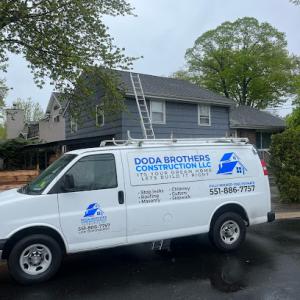
Doda Brothers Roofing & Siding
(551) 866-7756 dodabrothers.com
180 Edgewater Rd, Cliffside Park, New Jersey
5.0 from 127 reviews
Doda Brothers Construction is the best roofer in Bergen County, providing expert roofing services, including roof repair, roof replacement, and flat roof repair and replacement. We also specialize in skylight installation and gutter services to keep your home or business protected and looking its best. As a GAF-certified and BBB-accredited roofing company, we are dedicated to delivering top-quality craftsmanship and excellent customer service. Whether you need a roof replacement, a flat roof repair, or new gutters, we’re the best roofer near you to handle it all. Call Doda Brothers Construction today for a free roof inspection and experience why we’re the top choice for roofing in Bergen County and beyond!
All Point Roofing & Chimney
(201) 496-1086 allpointroofingchimney.com
231 Riverview Pl, Cliffside Park, New Jersey
4.9 from 198 reviews
All Point Roofing & Chimney is your go-to expert for roofing, chimney, skylight and every home service need. Our skilled team is dedicated to providing top-quality repairs, replacements, and installations at competitive prices. Whether you need routine maintenance or a complete renovation, we have the experience and expertise to get the job done right. As a licensed, bonded, and insured company, we guarantee that every project meets the highest standards of safety and quality. We also provide 24/7 emergency home repair services, ensuring fast and reliable assistance when you need it most. Call today for a free estimate or immediate assistance!
Independent Roof Repair & Chimney Home IMP
(201) 699-7258 independenthomesimprovement.com
238 Crescent Ln, Cliffside Park, New Jersey
5.0 from 54 reviews
We providing services roofing, chimney, gutters, siding, masonry
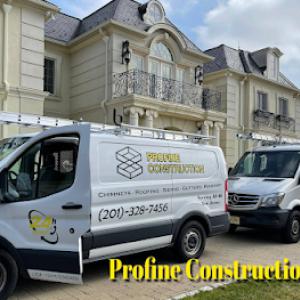
Profine Construction
(201) 328-7456 www.profineconstructionllc.com
36 Lawton Ave, Cliffside Park, New Jersey
5.0 from 51 reviews
Profine Construction is all-purpose contracting company, providing home repairs and home improvements for residents in Cliffside Park, and across New Jersey. 1. Roofing: Repairs, coatings & maintenance, installation & replacement. Shingle, metal, tile, and flat roofs 2. Masonry & Hardscapes: Chimneys, chimney repair, brick/stone work, retaining/block walls, walkways & pavers 3. Siding: Installation & repair, soffits, facsia, exterior trim, stucco, weather barriers 4. Custom Home Remodeling: Kitchen, Bathroom, Painting 5. Gutters: Installation, repair, protection systems 6. Outdoor Living: Decks, Porches, Patios, Pergolas, Gazebos 15 years in business. 200 reviews, 4.9 stars HomeAdvisor Top Rated ELITE Service Angi "Super Service" 2024
Pro Line Construction
Serving
5.0 from 140 reviews
Proline Construction has been providing reliable Roofing, Siding, chimney, Masonry & Gutter repair, and construction services across New Jersey for many years. From project inception to completion, our team makes sure each project is completed on time and meets the client’s specific requirements. The Proline Construction team has an outstanding knowledge of relevant roofing, siding, chimney, masonry & gutter construction codes, and regulations. This means you don’t need to worry about compliance requirements. Our licensed contractors will take care of all the technical requirements of your project. We aim to deliver quality construction services to all our clients and build open and honest customer relationships.
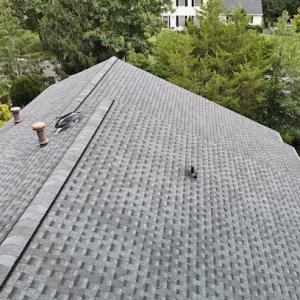
The GOAT Construction
(201) 973-0019 thegoatconstructionnj.com
Serving
5.0 from 72 reviews
Your expert partner in exterior excellence. Specializing in siding, chimney restoration, and roof services, we deliver top-tier craftsmanship and unmatched reliability. From seamless siding installations to precise chimney repairs and comprehensive roof solutions, trust us to safeguard your property with meticulous care and enduring quality. Experience the difference with PrimeGuard Construction – where expertise meets excellence.
Vision Roofing & Chimney
(551) 234-5809 visionroofingnj.com
Serving
5.0 from 62 reviews
Roofing and chimney contractor North Jersey
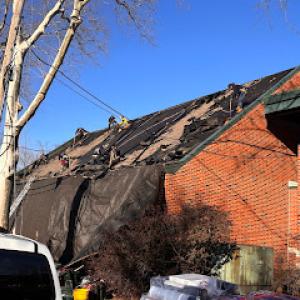
AG Pro Construction
Serving
5.0 from 40 reviews
At AG Pro Construction, we proudly serve homes and businesses across North and Central New Jersey — including Bergen, Essex, Union, Hudson, Passaic, and surrounding counties. Our experienced team specializes in roof repair, replacement, inspections, and emergency storm damage services. We work with all roof types including shingle, flat, and metal systems. Whether you’re in Hoboken, Teaneck, Union City, or Somerset County, we provide fast, reliable, and affordable roofing solutions. Fully licensed and insured. Call today for a free estimate and expert service you can trust .
Right Service Roof Repair & Roof Installation NJ
(201) 456-6461 rightserviceroofing.com
Serving
5.0 from 259 reviews
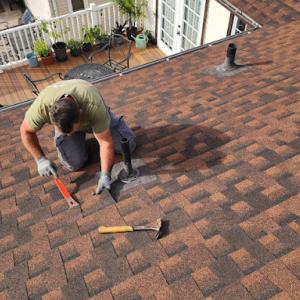
Right Service Roofing and Chimney is a Family Owned and Operated Roofing Company proudly servicing your area for over 15 years with professional and affordable residential and commercial Roofing, Chimney, Skylights, Gutters, Siding, Masonry services , commercial roofing installation and flat roof leak repair and residential roofing, installation and leak repair To slate roof leak repair, flat Roof leak repair, skylight replacement, Gutter Repair, Chimney leak repair, Siding repair, animal roof damaged repair. FREE Estimate. Local roofers near me We are licensed and insured.
Mega Pro Roofing
(973) 791-9008 megaproroofing.com
Serving
4.9 from 63 reviews
Mega Pro Roofing and Masonry deliver the finest commercial and residential roofing solutions. We are a reliable and trusted independent contracting firm located in northern New Jersey.
Focus On Construction
(201) 667-5663 www.focusonconstructionllc.com
Serving
4.9 from 57 reviews
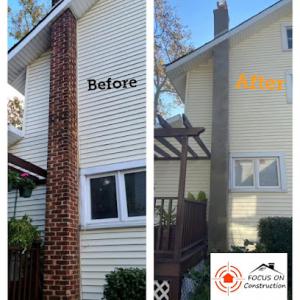
We are a home improvement company that holds itself to a higher standard and never waivers from its commitment to excellence. Here at Focus On Construction we are 100% committed to providing you with the best experience for a wide variety of services from start to finish. We, as a company, believe in delivering services that are: Professional in nature Made with excellent craftsmanship Backed up by a warranty Seamless and hassle free In line with the New Jersey building codes When taken all together, these, undeniably, make us a trustworthy choice for your home improvement needs.
In this neighborhood, many multifamily, mixed-use, and row-style buildings use flat or low-slope roofs. The layout concentrates roof surfaces, so a single problem can affect multiple units quickly. When a section isn't draining or sealing well, leaks often show up first in joints, penetrations, and the transitions from roof to parapet. Expect routine maintenance to center on membrane integrity, edge detailing, and proper drainage. The best long-term results come from treating flat roofs as a system: deck, insulation, vapor barrier, membrane, and flashing all working together.
Snow retention and ponding after heavy rain are especially relevant here. Low-slope roofs collect water more readily than steeper ones, and the Palisades wind patterns push moisture toward parapets and transitions. Freeze-thaw cycles are relentless in North Jersey winters, so any trapped water can expand and compromise seams, fasteners, and edge metals. Look for signs that water sits in low spots after storms, and inspect for micro-cracks in the membrane where ice can form. In winter, even small pool areas can become persistent leaks if the system isn't effectively draining and protected from ice buildup.
The local contractor market shows flat-roof work as a core strength, not a niche. That means you'll find experienced crews who understand the peculiarities of long, continuous membrane runs, parapet corrosion, and the need for robust edge detailing. When evaluating bids, prioritize shops with recent, verifiable flat-roof projects in multi-tenant or mixed-use buildings, and ask for photos of roof-to-wall transitions and recent drainage improvements. Expect emphasis on proper drip edges, scupper design, and membrane terminations at parapets and penetrations.
Set a practical maintenance cadence aligned to seasonal cycles. In late fall, verify that snow guards or retention devices are intact and that drainage paths are clear before winter. After heavy rains, inspect for ponding hotspots and reseal any flashing seams that show UV wear or loosening fasteners. In spring, perform a careful membrane check for blistering or surface wear, especially near mechanical equipment curbs and vents. For older or heavily used flat roofs, plan proactive patching of localized failures rather than waiting for a full replacement, since small leaks tend to branch into bigger issues with winter moisture.
When replacement becomes necessary, treat the project as a coordinated refurbishment of the entire roofing envelope rather than a patch on the surface. A new flat roofing system should address drainage paths, parapet sealing, and penetrations in a way that minimizes future maintenance cycles. Given freeze-thaw and coastal exposure, emphasize a membrane with proven UV resistance, robust traffic-capable top surface, and a decades-long warranty on seams and flashings. Selecting materials and detailing that reduce ponding risk and enhance wind resistance helps ensure the roof holds up through the North Jersey seasonal pattern.
Find specialists in TPO, EPDM, and built-up flat roofing systems for residential and commercial properties.
Doda Brothers Roofing & Siding
(551) 866-7756 dodabrothers.com
180 Edgewater Rd, Cliffside Park, New Jersey
5.0 from 127 reviews
Profine Construction
(201) 328-7456 www.profineconstructionllc.com
36 Lawton Ave, Cliffside Park, New Jersey
5.0 from 51 reviews
In Cliffside Park, homeowners face a north-facing blend of dense Palisades housing and coastal moisture carried by winter winds off the Hudson. The result is a steady dose of freeze-thaw cycles paired with wind-driven dampness that tests roof assemblies differently than inland counties. When choosing among asphalt, metal, clay tile, concrete tile, wood shakes, and slate, understanding how moisture exposure and seasonal swings interact with each material is key to long-term leak resistance and timely replacement.
Asphalt shingles perform reliably in many homes, especially where the roof deck is solid and underlayment detail is thorough. Warm, humid summers in the area can stress asphalt faster during installation, so careful handling and fast, clean nailing practices matter. In winter, cold temps slow the curing of sealants and reduce adhesive performance, making proper timing and temperature windows for asphalt-based systems critical to prevent early leaks through freeze-thaw cycles. Metal roofing handles wind-driven moisture well when fasteners and seams are properly sealed; however, edge detailing and venting become essential on homes with complex silhouettes or multiple dormers common in older North Jersey stock. Clay and concrete tiles bring durability and a classic look, but their weight can provoke scrutiny if decking or structural components require reinforcement. The heavy tiles demand a solid deck and reliable moisture management at penetrations, transitions, and skylight interfaces. Wood shakes offer a traditional aesthetic but demand meticulous maintenance against moisture infiltration, especially where hips and valleys channel damp air. Slate delivers exceptional longevity and a high-end finish, yet its weight amplifies the need for a robust structural evaluation. If the underlying structure isn't prepared to bear heavier loads, slate can require extensive reinforcement during replacement.
Warm, humid summers influence how quickly installation crews can move, how adhesive or protective coatings cure, and how fast deck ventilation can be established. Shingle handling-especially for thinner asphalt or engineered tile products-benefits from cooler mornings and staged installations to avoid overheating materials on the roof. In contrast, winter cold makes timing more critical for asphalt-based systems, because adhesive performance and granule adhesion can falter in freezing conditions. When opting for heavier materials such as clay tile, concrete tile, or slate, installers must verify deck strength and, if needed, plan for structural modifications before work begins. This is not just about payload; it's about ensuring long-term resistance to wind-driven infiltration and freeze-thaw damage at seams and fasteners.
For storm-driven leak prevention, prioritize components resistant to wind-driven moisture and freeze-thaw cycles: continuous underlayment with water-tight seams, well-sealed penetrations for vents and chimneys, and dependable edge and valley detail. If a replacement is approaching and the existing deck shows signs of moisture saturation or prior water intrusion, anticipate a more comprehensive assessment that may include deck reinforcement or updated flashing strategies. Given the local exposure, it's prudent to plan for a replacement window that aligns with the coldest, windiest parts of winter and late fall dry spells, when crews can work most consistently and material handling remains manageable.
In this borough, most full re-roof projects require a building permit through the borough construction department. The permit process is designed to coordinate with storm-driven weather, ensuring the roof system stands up to freeze-thaw cycles and coastal moisture. The permit reviews, on-site inspections, and final closure all align with the housing stock typical of the Palisades bluff corridor. This is part of keeping your home resilient to coastal exposure and harsh winter winds that are common around the river.
Before any shingles come off, submit the plan set, site address, and contractor information to the construction department. Have the proposed decking and flashing details ready; even though the focus may be surface replacement, inspectors look for proper venting, drainage, and fastener planning to handle coastal exposure. Include notes on weather protection and temporary fixes to shield interior spaces during any mid-winter or late-fall work windows.
The borough reviews the permit and may request adjustments to meet code and local amendments. Expect a response window, and be prepared to address weather-related scheduling concerns that can push work into shoulder seasons when temperatures are favorable for adhesive and sealant performance. If plans include attic access or ventilation changes, factor those into the review so the system breathes properly when wind-driven moisture is present.
As work progresses, an inspector will visit to verify roof deck integrity, proper underlayment, flashing at penetrations, and adequate ventilation. In neighborhoods with closely spaced homes and wind-driven moisture, inspectors emphasize secure fasteners and leak controls around dormers, skylights, and chimney terms. Keep access clear and coordinate with the contractor to accommodate inspection windows.
If the project expands beyond surface replacement into decking replacement or structural modification, additional approvals may be required before the roof can be closed out. This can include structural evaluations and permits for framing changes or anchorage upgrades.
After all roofing and flashing are installed and the ground clean, schedule a final inspection. The borough will confirm compliance with storm mitigation details, then issue the certificate of completion. In Cliffside Park, the final inspection confirms compliance with storm mitigation and local requirements before the certificate of completion is issued.
When budgeting for a roof, you'll see the standard material ranges start at roughly 350 to 700 USD per square for asphalt shingles and climb up to 1200 to 2300 USD per square for slate. In this dense, hillside neighborhood, those numbers can shift because logistics matter as much as materials. Narrow streets, limited staging space, and close neighboring buildings complicate tear-offs, debris handling, and material delivery compared with wider suburban lots.
In Cliffside Park, the street layout and tight lots mean you often need smaller crews, more careful staging, and extra safety measures. That translates to higher labor time per square and more equipment coordination. If a job needs off-site debris containment or on-street loading, the cost can edge higher still. Factor in potential delays from neighboring properties and you're looking at a practical premium beyond raw material price.
Asphalt shingles remain the most common entry point, with the lowest per-square cost in the local range. Metal roofing adds durability against wind and rain but typically sits higher in price. Clay and concrete tiles, while attractive, bring heavier weight and more complex installation, which pushes up both labor and structure-related considerations. Wood shakes and slate sit at the top end, with slate offering longevity but requiring careful handling due to its weight and delivery challenges.
Demand spikes after regional storm events in North Jersey tend to tighten scheduling and labor availability, especially for emergency repairs and full re-roofs. If a storm has just passed, you may see longer lead times for crews and material delivery, plus higher mobilization costs. Building a realistic window for planning helps avoid the surge markup and keeps the project moving when the weather finally clears.
Aim to price the project with a concrete range that accounts for staging, delivery, and potential contingency for a tight urban build. If you're deciding between materials, weigh not only the initial cost per square but also how those choices perform under freeze-thaw cycles and coastal moisture exposure common to the bluff side.
Get a clear picture of your project costs upfront - no commitment required.
All Point Roofing & Chimney
(201) 496-1086 allpointroofingchimney.com
231 Riverview Pl, Cliffside Park, New Jersey
4.9 from 198 reviews
Right Service Roof Repair & Roof Installation NJ
(201) 456-6461 rightserviceroofing.com
Serving
5.0 from 259 reviews
In New Jersey's generally stable homeowners insurance market, roof claims tied to wind, hail, and storms still often require photos, contractor bids, and prior repair history. When a windy coastal front moves through the Palisades bluff area, the sequence is consistent: document damage, secure temporary protection if needed, and gather evidence that ties the loss to a covered event. The adjuster will look for gaps between what happened suddenly and what might be wear from seasons gone by.
Because Cliffside Park has strong local demand for storm and emergency roofing work, homeowners should expect adjusters to closely review whether damage is sudden storm loss or long-term wear. A convincing narrative combines timely post-storm photos with receipts or notes from prior repairs that show the timeline of deterioration versus an event-driven impact. If shingles are curling or flashing is corroded, be prepared to explain whether those issues existed before the storm and how the incident altered the condition.
Material choice can affect claim discussions, especially when replacement scope, matching issues, or accelerated replacement requests are involved. For example, if a modern metal or slate alternative is specified, the adjuster will weigh compatibility with adjacent roofs and the feasibility of seamless blending. Be ready to show how current material choices meet performance needs under freeze-thaw cycles and coastal moisture, while also acknowledging any limitations in color or texture matching with existing sections.
You should photograph from multiple angles, capture the attic or ceiling signs if visible, and obtain at least a couple of contractor bids to illustrate scope. Communicate promptly with the insurer, and keep a file of every correspondence and repair history. When in doubt, request a detailed explanation of any denial or scope reduction, and be prepared to demonstrate how the chosen fix meaningfully restores the roof's resilience against coastal exposure.
Connect with contractors who help homeowners navigate the claims process from damage assessment to final approval.
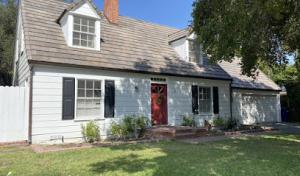
Cliffside Park's dense residential blocks and older building stock make roof penetrations and transitions especially important leak points. Skylights and chimneys sit in crowded roof planes where wind-driven moisture from the river can press against seals and flashings. In attached or closely spaced homes, water can migrate away from the original entry point and show up at nearby parapets or party-wall transitions. When inspecting, pay close attention to these intersections where multiple angles meet and where moisture can funnel along a shared edge.
Local contractor signals show strong prevalence of both skylight and chimney work, suggesting flashing failures around these features are common homeowner concerns here. For skylights, check the curb flashing, counter-flashing against the parapet, and the sealant bead around the unit. For chimneys, examine the base flashing where it meets the roof plane, step flashing along the sides, and the mortar joints that can churn with freeze-thaw cycles. In shared rooflines, parapet cap flashing and counter-flashing against adjacent units need particular scrutiny, because a small failure can produce water migrating across a joint toward a neighbor's attic or ceiling.
On attached homes, routine maintenance around chimney intersections and shared transitions is essential. Clean debris from valleys and around skylight flanges, reseal perimeter joints with compatible sealant, and replace deteriorated step flashing promptly. If leaks are detected after a storm, trace the path of water to the nearest penetration rather than the point of entry; water often travels along a roof plane or wall before pooling at a downstream spot. Prioritize work before freeze-thaw cycles intensify deterioration and coastal moisture compounds seepage.
Schedule a targeted inspection after severe storms and during the shoulder seasons when temperature swings stress seals. In dense blocks, a tandem inspection with a neighbor can reveal shared vulnerabilities at party-wall transitions and chimney interfaces, helping coordinate timely repairs before leaks widen.
Find contractors experienced in skylight installation, flashing, and leak repairs to bring natural light into your home.
Doda Brothers Roofing & Siding
(551) 866-7756 dodabrothers.com
180 Edgewater Rd, Cliffside Park, New Jersey
5.0 from 127 reviews
All Point Roofing & Chimney
(201) 496-1086 allpointroofingchimney.com
231 Riverview Pl, Cliffside Park, New Jersey
4.9 from 198 reviews
Independent Roof Repair & Chimney Home IMP
(201) 699-7258 independenthomesimprovement.com
238 Crescent Ln, Cliffside Park, New Jersey
5.0 from 54 reviews
In this borough, homes sit close together and lots are often compact. When a storm drives moisture through a roof, you need crews who can work efficiently on tight lots and around neighboring homes without creating cleanup or access problems. A crew comfortable with alleyways, side yards, and retaining walls saves you from weeks of disruption and reduces the chance of shingle debris wandering onto a neighbor's property.
The Palisades exposure brings freeze-thaw cycles and coastal moisture that can push repairs into tight windows. Look for teams that anticipate weather-influenced scheduling and can mobilize quickly after a storm. Quick response matters here, and cleanup included should be a standard part of the job. The right crew will tarp work areas, protect landscaping and driveways, and leave the street clear at day's end.
Cliffside Park features a mix of older multifamily and attached homes, where re-roofing quality and fit are as important as speed. Seek contractors with substantial local, residential-focused portfolios and a track record of durable installations on similar structures. Family-owned, long-established firms often bring reputational accountability, predictable communication, and a willingness to stand behind their work in this neighborhood.
Ask for recent completions on adjacent properties and request a walkthrough of a tight-site project. Check how the crew handles waste containment, elevator or ladder access, and neighbor-facing work hours. Request references who can speak to on-budget finishes and post-install cleanup. Prefer firms that emphasize coordination with homeowners and property managers to minimize disruption during the project window.
When moisture risks spike with coastal winds, timing is critical. Choose a crew known for efficient staging and careful sequencing on homes packed along residential streets. A nearby, reputable firm with strong neighborhood ties will communicate clearly about scheduling, access routes, and day-by-day progress, helping you navigate the season of storm-driven leaks with confidence.