
Last updated: Apr 19, 2026
Elizabethport sits on the Newark Bay waterfront, where exposed conditions can increase wind-driven rain and moisture intrusion compared with more sheltered inland neighborhoods. The waterfront amplifies spray, splash, and driving rain during nor'easters, turning routine storms into pressure tests for roofs. Gaps at joints, edge flashing, and poorly seated fasteners in older materials are more likely to fail under this combination of wind and spray. A roof covering may look intact after a light shower, but the real culprit is moisture creeping where it cannot be seen-under shingles, behind drip edge, and around vent penetrations that have aged without a proper seal. In this environment, every storm exposes vulnerabilities that might have gone unnoticed during calm weather.
Nor'easters are a major regional roofing threat here because they combine prolonged precipitation with coastal wind exposure rather than short isolated summer events. The sustained wind, rain, and salt-laden air create a relentless assault on flashing, seams, and transitions. A single nefarious storm can push water up under roof edge projects, into soffits, and across poorly caulked penetrations. The cumulative effect over multiple storms is a slow but steady rise in indoor moisture levels, leading to warped decking, staining, and accelerated wear of older roofing layers. This is not a one-and-done risk; it is a pattern that repeats with every meaningful wet season, so proactive checks after storms become essential rather than optional.
In this part of Union County, storm-related roof problems often show up first at edges, flashing transitions, and older penetrations after repeated wet and windy weather. Edges where shingles overhang fascia can lift, letting wind-driven rain slip beneath. Flashing transitions around chimneys, vent stacks, skylights, and dormers are common failure points when sealants age or when metal pieces pull away from the substrate. Older penetrations-pipes, wires, or mounting brackets-are prone to seal degradation that lets moisture work inward. If corners, valleys, or ridge lines have lifted granules or a chalky feel on the surface, water has already found a convenient path inside. These are telltale signs that immediate attention is required to prevent larger leaks and structural damage.
First, inspect edge and corner areas after every significant storm or nor'easter, focusing on the drip edge, fascia, and gutter lines. Look for lifted shingles, cupped edges, and any loose flashing that can act like a dam for wind-driven water. Second, pay special attention to transitions around chimneys, skylights, and roof penetrations; these are the most active intrusion routes under coastal winds. If caulk or sealant around penetrations shows cracking, peeling, or haziness, plan for resealing with materials rated for exposure to salt spray and wind. Third, consider upgrading old penetrations with improved flashing and more robust sealants, especially where the roof meets vertical surfaces or vent stacks. Fourth, inspect soffits and attic vents for moisture staining or condensation buildup, which signals that moisture has breached interior barriers and is circulating in the attic space. Finally, document storm effects with photos and keep a simple repair log; it makes targeted fixes faster and helps identify recurring weak points that sustain moisture intrusion across seasons.
If a storm leaves visible gaps along the edge, repeated wind-driven rain penetrates around flashing, or there is sudden moisture staining in the attic after a moderate rain, treat it as an urgent warning. Temporary tarping and resealing with high-grade sealants can slow further intrusion, but a professional assessment is essential to verify substrate integrity, confirm flashing performance, and verify that penetrations are properly protected against future wind-driven rains. In waterside neighborhoods facing frequent coastal storms, timely intervention prevents small problems from escalating into costly, widespread damage.
Elizabethport's older urban building stock includes many attached homes and mixed-use buildings where low-slope roof sections appear as additions or overhangs even when the main roof stays pitched. In this setting, wind-driven rain and frequent precipitation push water toward seams, flashings, and drainage outlets. That means these flat or near-flat areas behave differently from steep-pitch roofs: drainage control and moisture management become the deciding factors for performance and longevity.
On low-slope roofs, standing water is not just a nuisance-it's a symptom of drainage performance issues. In this neighborhood, pavement-like runs or parapet edges can trap moisture, especially after nor'easters. Check for ponding patterns after a heavy rain or a wind-driven storm. If water lingers more than 48 hours, the underlying membrane or flashing may be compromised. Pay attention to areas where additions meet the main roof, along transitions, and near gutters, scuppers, and downspouts. Poorly directed runoff accelerates deterioration of seams, penetrations, and edge details.
Low-slope roofs in this area rely heavily on properly bonded seams and well-sealed flashings around vents, drains, and mechanical curbs. Corrosion, membrane damage, or step-flashing failure is common where buildings have mixed-use footprints or multiple additions. A proactive maintenance routine helps catch problems before they become leaks: inspect monthly during dry spells, then after storms, focusing on membrane laps, edge coping, and penetrations. Clean clogged drains and scuppers promptly so water does not back up onto the roof surface. If lights, vents, or HVAC units are present, ensure their boots and collars maintain a tight seal to the deck.
Because many local contractors actively market flat-roof work, homeowners here are more likely than in suburban markets to compare repair versus coating versus full replacement options. A common, practical approach is to start with a targeted repair to address a clearly leaking seam or damaged flashing. If multiple areas show deterioration or the membrane shows apparent wear across broad sections, coating can extend life but is not a substitute for a compromised substrate. In cases where moisture has penetrated the insulation or decking, replacement becomes the durable choice to restore performance and prevent ongoing damage to the interior.
Create a simple routine: after a significant storm, walk the roof edge from safe access points and note any new surface blistering, pooled water, or loose flashings. Use binoculars from ground level to spot pooled water or edge failures you cannot safely reach. Keep an organized log with date-stamped photos of problem areas. If you are unsure about the condition of the underlying deck or membrane, arrange a condition assessment with a reputable local roofer who understands the nuances of attached and mixed-use structures common to this neighborhood.
Low-slope sections often determine the overall roof's fate in this environment. Prioritize drainage reliability, inspect seams and flashings regularly, and evaluate repair, coating, or replacement options with an eye toward long-term performance and the specific architectural patterns seen in the area.
Find specialists in TPO, EPDM, and built-up flat roofing systems for residential and commercial properties.
RSB Construction & Roofing
(908) 402-1835 www.rsbconstructionllc.com
Serving
4.9 from 79 reviews
RSB Construction, located on 420 Maple Ave, is the premier roofing contractor in Elizabeth, NJ, with over 35 years of experience under owner Alvaro's expert leadership. Serving Hudson, Union, Bergen, and beyond, our certified team specializes in roof repair, residential and commercial roofing, roof replacement, and installation. Whether you need asphalt, metal, or shingle roofing, we offer customized, affordable solutions backed by lifetime labor warranties and stellar customer service. Trust RSB Construction for top-quality workmanship, from roof leak repairs to complete installations. Contact us today for reliable, precision roofing services tailored to your needs.
Alpha Home Roofing
Serving
5.0 from 94 reviews
Alpha Home Roofing We have over 16 years of experience in the roofing business. We love what we do and always pay close attention to everything we do. Making sure that the Customer is always satisfied with the finished work.
Nunez Home Improvement
(908) 992-9261 www.nunezhomepro.com
Serving
4.9 from 142 reviews
Nunez Home Improvement is a licensed and insured roofing contractor serving Elizabeth, Union County, and surrounding areas in New Jersey. We specialize in roof replacement, roof repair, storm damage roofing, and emergency roof repairs. Our team provides free roof inspections, honest estimates, and high-quality workmanship using top-grade materials. Whether your roof has leaks, wind damage, or needs a full replacement, we deliver reliable and professional service every time. Call today for a free roof inspection and También atendemos en español. Ofrecemos inspecciones gratuitas de techos, reparaciones, reemplazo de techos y trabajos por daños de tormenta en Elizabeth y Union County

B&B Roofing & Gutters
(718) 981-7663 bbroofingpros.com
Serving
5.0 from 231 reviews
B&B Roofing is a locally trusted roofing company serving Staten Island, Brooklyn, and New Jersey. With years of experience and thousands of satisfied homeowners and business owners, we specialize in roof replacement, roof repair, gutter installation, skylights, and waterproofing. Our licensed and insured roofers deliver quality work using top-grade materials from leading brands to ensure every roof is built to last. Whether it’s a leaking roof, storm damage, or a complete roof installation, our team provides fast, reliable service with clear communication and spotless cleanup. We take pride in honest pricing, professional workmanship, and customer satisfaction that’s second to none.
Skyward Roofing
(917) 979-8704 www.skywardroofing.com
Serving
4.8 from 44 reviews
Skyward Roofing is a premier roofing contractor known for delivering superior roofing solutions. The company stays abreast of the latest roofing technology and techniques advancements, ensuring clients benefit from the most efficient and practical solutions. This forward-thinking approach enables Skyward Roofing to tackle complex roofing challenges with cutting-edge tools and materials, enhancing durability and performance. Moreover, Skyward Roofing places a strong emphasis on environmental responsibility. The company actively promotes and utilizes eco-friendly roofing options, such as energy-efficient materials and sustainable practices. Additionally, the roofing firm is known for its robust training and development programs.
Peter Contractor
(347) 992-4144 petercontractor-llc.com
Serving
5.0 from 445 reviews
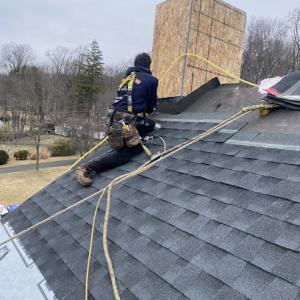
At Peter Contractor, we offer expert construction, remodeling, and roofing services across New Jersey and New York. With over 21 years of experience, we specialize in new roofs, repairs, and full exterior and interior renovations for residential, commercial, and industrial clients. As a GAF Certified, fully licensed and insured contractor, we provide top warranties and reliable, high-quality work. From roofing and siding to concrete and brickwork—we do it all, at the best price and with care.
New Amerimex Roofing
(347) 213-6756 www.newamerimex.roofing.com
Serving
5.0 from 100 reviews
new amerimex roofing llc was founded in 2019 it is a family business that seeks to please each of its clients by providing them with an excellent job you can call robert at 347 213 6756 to make your appointment we make free estimates we are experts in shingles tpo epdm slatestone and rn all types of flat roofing .... in advance we thank you for the support and confidence you give us in doing the work
Mark’s Roofing & Construction
(917) 498-6591 marks-roofing.com
Serving
4.7 from 50 reviews
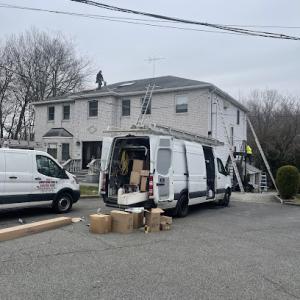
At Marks Roofing, we specialize in delivering expert roofing services in New York and New Jersey with over 24 years of trusted experience. We offer comprehensive residential and commercial roofing solutions, including expert repairs, replacements, and storm damage restoration, as well as gutters, siding, and windows. As a family-owned business, we are dedicated to honesty, affordability, and superior craftsmanship. Our services include 24/7 emergency support, free roof inspections, free estimates, and precise drone inspections. Whether you need routine maintenance or urgent repairs, Marks Roofing delivers reliable, affordable solutions done right the first time. Contact us today!
FX Home Remodeling
(908) 967-8850 fxhomeremodeling.com
Serving
4.9 from 116 reviews
FX Home Remodeling – Roofing Contractor in Union, NJ FX Home Remodeling is a family-owned roofing company proudly serving Union County and surrounding New Jersey areas for over 20 years. We specialize in roof repairs, roof replacements, and new roof installations for both residential and commercial. Our team values honesty, quality, and craftsmanship, treating your home as if it were our own. We use only the best roofing materials, including GAF, Owens Corning, and CertainTeed, to ensure lasting protection and curb appeal. Services include: Roof Repair & Leak Detection New Roof Installation Roof Replacement Solutions Aluminum Seamless Gutters Gutter Cleaning & Maintenance Free Roof Inspections
Raidex construction
(973) 380-4652 www.raidexconstructionllc.com
Serving
4.8 from 116 reviews
Raidex Construction is a family-owned roofing and exterior services company with over 15 years of experience. We specialize in roof replacements through insurance claims, affordable roof repairs, siding repair, and gutter services. Locally based and highly rated with 4.5-star reviews, we focus on quality over quantity and offer easy financing options to help homeowners improve and protect their homes with confidence.
Midpoint Roofing
(973) 834-7570 midpointroofing.com
Serving
5.0 from 111 reviews
Midpoint Roofing is a premier roofing contractor in Union, NJ. We specialize in roof replacement, roof repair, and a wide range of roofing services. We are located at 2204 Morris Ave Suite 302b, Union, NJ 07083 and service clients in many different areas of New Jersey, including Union County, North and Central NJ. Our team of experienced professionals has lead the roofing industry for 10+ years. We are fully dedicated to providing top-notch workmanship and exceptional customer service. We offer the best prices on roof repairs and roof replacement around and work with insurance and do all the work for you! Trust Midpoint Roofing to handle all your roofing needs with integrity and quality. Contact us today for a free estimate or inspection!
Asphalt shingles remain the dominant practical choice for local homes, offering a familiar look and straightforward installation. In this part of the city, moisture exposure and frequent freeze-thaw cycles mean that ventilation, underlayment quality, and flashing details matter more than the headline shingle brand alone. A well-ventilated attic helps reduce condensation that can lead to hidden leaks, while a high-quality underlayment provides a second line of defense during those Nor'easter rain bands. Pay particular attention to how the valley flashing is sealed and how edge details shed water toward safer drainage paths. In homes with older framing, ensure the roof deck is sound and the fasteners are compatible with the existing structure to avoid nails backing out or deck rot after a heavy storm.
Metal roofs are present in the local market and can appeal in this coastal-influenced environment for shedding water and resisting repeated wet weather. The lightweight profile and strong wind performance suit exposed elevations along the waterfront. However, detailing around penetrations-such as vent pipes, chimney stacks, and skylights-and along the eaves and rake edges is critical in windy storms. In Elizabethport's climate, you'll want precise sealants at every seam and careful assessment of the substrate to prevent oil-canning or panel loosening after big gusts. A thoughtful integration with soffits and proper attic ventilation ensures moisture does not get trapped under the metal, which can otherwise promote condensation or ice dam-like issues during colder spells.
Clay tile, concrete tile, synthetic/composite shingles, and slate appear in the local material mix, but suitability depends heavily on whether the existing structure can handle weight and whether the home's older framing has been evaluated. Heavier tile and slate demand a reinforced support system and careful assessment of rafter spans, connection details, and the condition of the existing roof deck. If the structure has not been upgraded to accommodate higher loads, installation could lead to sagging, fastener failure, or unexpected deck damage under sustained wind-driven rain. Synthetic or composite options can offer improved impact resistance and lower weight, but still require robust flashing and edge detailing to maintain long-term moisture control. In older neighborhoods with mixed construction, the best approach is to combine a conservative, well-supported deck with a proven waterproofing strategy, ensuring the flashing around chimneys, vent stacks, and wall transitions is continuous and well-sealed. If weight considerations are addressed, and the framing has been evaluated by a qualified pro, these materials can deliver durable performance without sacrificing curb appeal or resale value.
Cold New Jersey winters create freeze-thaw stress here, especially after wet coastal storms leave roofs saturated before temperatures drop. That pattern is common along the Newark Bay fringe, where you often see tarps, saturated sheathing, or damp attic spaces long before the first real frost. When tradeoffs in age and design meet this exposed setting, the roof edge becomes a flashpoint. If ice forms along the eaves and then refreezes at the colder roof edges, the damage can creep inward where you least expect it.
Ice dam risk is heightened on homes with uneven insulation or ventilation, a common concern in older housing where roof assemblies have been altered over time. In practice, that means unvented or poorly vented attic spaces, gaps around soffits, or insulation that leaves pockets of cold air near the roof deck. You may notice condensation patterns, missing shingles, or uneven staining along the lower roof and eaves after a heavy snow or rain. Leaks often show up in the winter through the eaves, gutters, and the roof-to-wall transitions once snowmelt refreezes along the colder edges. Those signature trouble spots-valleys, step-flashings, and transitions from roof to brick or siding-should earn extra attention.
Start by improving attic ventilation and sealing gaps where warm indoor air escapes into the roof assembly. A well-balanced attic enclosure helps keep the roof deck closer to outdoor temperatures, slowing ice dam formation. Gutter maintenance matters: clear debris before a storm, ensure proper slope so meltwater moves away from the fascia, and check that drip edge flashing is intact to channel water outward rather than inward. At the first signs of trouble, address suspected problem areas around the roof edge and above the walls where water tends to back up. When heavy snow is forecast, consider removing accumulated snow from lower sections of the roof with care, using a roof rake from the ground to avoid stepping on fragile areas, and never striking ice dams directly.
If there are repeated winter leaks, warped ceiling panels, or visible frost patterns on the interior walls after storms, consult a local roofer who understands how Elizabethport's wind-driven rain and saturated winters stress old roof assemblies. A seasoned pro can assess insulation, ventilation balance, and flashing at roof-to-wall interfaces, then tailor repairs that reduce future ice dam risk. Don't wait for a small leak to become a larger, more disruptive problem; timely attention saves broader damage and disruption during the season.
In this area, asphalt shingles remain the most common choice for typical attached homes, with local installations generally landing in the lower to mid part of the national range. Expect roughly 350 to 700 USD per square, depending on shingle quality and the complexities of tear-off and staging on a tight lot. Nor'easter wind-driven rain increases the likelihood of rapid moisture intrusion if valleys, penetrations, or flashing aren't properly secured, so budget toward higher-grade shingles and upgraded underlayment if the roof is older. Heavier loading from storms can also push disposal costs up when old roofing and saturated decking needs removal.
Metal brings durability against wind and rain but costs more upfront. In Elizabethport, installed metal typically runs from 700 to 1200 USD per square. Tight lot lines and urban access constraints can complicate sheet handling and crane work, nudging final numbers higher. Consider a finish rated for coastal exposure if the home faces prevailing winds from the bay. If existing framing is aged, some installations may require structural checks that add to the project time and cost, especially on smaller or older homes with limited rooftop access.
Clay tile is less common on modest attached houses in this area, but it gets chosen on some rebuilds or upgrades where aesthetics and durability matter. Expect 1100 to 1800 USD per square, with added expenses for careful framing review and reinforced supports in older structures. The weight of clay tile often necessitates sawn lumber, shim adjustments, and meticulous debris containment, which increases staging and disposal effort in a crowded urban setting.
Concrete tile sits between clay and premium options, offering strength and life expectancy at a mid-to-high price. Budget roughly 900 to 1500 USD per square. For older, load-limited homes, additional framing reinforcement and precise load transfer to the structure may be required, especially if the existing deck or rafters show signs of aging. Debris removal costs can rise after storms when crews are mobilized citywide.
Synthetic or composite shingles provide a balance of durability and weight, with typical pricing around 500 to 900 USD per square. In a waterfront-adjacent market, these can stand up well to wind-driven rain while keeping installation manageable on tighter properties. Local staging and debris removal still matter, but these materials often push overall costs downward compared to heavier tile options.
Slate is the premium, long-lasting choice and can be appealing on certain coastal-adjacent blocks, but it comes with higher weight and handling requirements. Expect 1000 to 1800 USD per square, with the potential for framing reinforcement and careful loading and disposal logistics on older homes. In storm years, slate projects may see cost spikes due to emergency demand as neighboring communities pursue rapid replacements or repairs.
Get a clear picture of your project costs upfront - no commitment required.
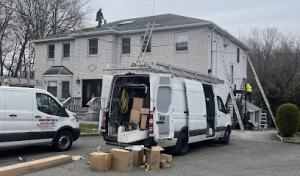
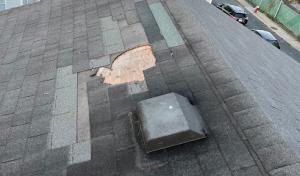
A full roof replacement in Elizabeth typically requires a permit before work begins, so homeowners in Elizabethport should expect permit paperwork as part of project planning rather than after signing. Start by contacting the local building department early in the process to confirm required forms, drawings, and any site-specific notes for the waterfront exposure. Expect the permit to cover structural, ventilation, and drainage considerations, especially given the wind-driven rain patterns that affect this area.
The local building department commonly inspects at roofing milestones such as underlayment or installation stages and again at final completion. Plan for at least two formal checks: one when the underlayment and flashing are installed, and another after the final surface is in place but before the contractor signs off. The goal is to verify that waterproofing details around vents, chimneys, valleys, and edges comply with code requirements and that ventilation and attic sealing meet climate realities near the Newark Bay shorefront.
Homeowners may be asked for contractor licensing and code-compliance documentation, making paperwork readiness an important part of avoiding delays in Elizabeth. Have your contractor's license, proof of insurance, product certifications, and any required contractor registrations organized and accessible. It helps to keep copies of structural calculations, roof layout plans, and details for any nonstandard venting or drainage solutions ready for review.
Coordinate with the contractor to align timing with permit reviews and potential weather windows. Expect the inspector to check for proper temporary protection if storms are forecast and to verify that temporary drainage and debris control practices are in place. Clear communication with the contractor about expected inspection dates will reduce the chance of work fast-tracking or rework due to missed milestones.
New Jersey insurers commonly want current roof-condition documentation, and in a weather-exposed place like Elizabethport that can affect underwriting, renewals, and deductibles after repeated claims activity. After storms, adjusters may ask for photos, receipts, ventilation details, and contractor documentation to support whether repair or replacement is justified. When preparing, focus on clear, time-stamped evidence from before and after the event, and ensure that attic space and ventilation components are visible in pictures to show how air flow and moisture were managed. Local contractors who understand the typical roof lines in older mixed housing stock can provide concise narrative notes that tie the photos to concrete conditions on the structure, such as decking, flashing, and fastener integrity.
Because nor'easters often cause widespread regional damage rather than isolated single-home losses, claim timing and documentation quality can matter when carriers are handling many North Jersey files at once. Delays in documentation can stall approvals or create gaps in coverage during a busy season. You should keep a dated log of weather events, repairs, and communications, and submit promptly with clear photos from multiple angles, including the roof edge, valleys, and any penetrations. Attic views showing airflow, signs of condensation, or mold growth can support whether moisture intrusion is ongoing or localized. Coordinate with your adjuster to align on a preferred format for estimates so the file moves through the process with fewer back-and-forth requests.
Have a trusted local contractor provide a concise scope and a letter verifying roof age, ventilation adequacy, and prior repairs. Store digital copies in a cloud folder labeled with the policy number and incident date, and keep physical copies in a weatherproof binder. If wind-driven rain affected sheathing or insulation, ask the contractor to document moisture levels and remediation steps, as well as any required flashing or underlayment improvements. Understand that repeated claims can influence how carriers view future renewals, so maintain a steady, honest record of all work performed and why it was necessary to protect the home's structural integrity.
Connect with contractors who help homeowners navigate the claims process from damage assessment to final approval.
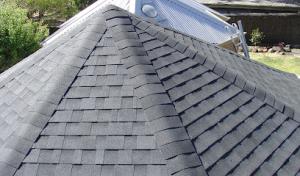
Elizabethport's older homes often have legacy roof penetrations and masonry chimney intersections that become chronic leak points during wind-driven rain. The combination of Norfolk-style nor'easter winds and moist air means you should examine every curb flash and penetration with a critical eye after a storm season. Start with a calm, careful inspection from the attic if access is safe, looking for damp spots, staining, or condensed moisture near flashing seams.
Skylights in this climate need special scrutiny because failed seals and curb flashing can mimic broader roof failure. Check the perimeter flashing where the curb meets the roof deck for lifting, loose fasteners, or rust. If a skylight seal shows cloudiness or bubbles from inside, assume wind-driven rain has found its way past the seal and curb. When resealing, remove and clean the curb thoroughly, replacing any cracked gasket material and ensuring a watertight bead around the entire perimeter. Pay attention to the flashing step-flash where the skylight meets adjacent shingles or tiles; in older work, those joints are a frequent leak source after storms. If flashing appears compromised, schedule a targeted repair rather than full replacement to avoid unnecessary disturbance of the surrounding vintage roof details.
Masonry chimneys intersect the roof in a way that concentrates stress on flashing from wind and rain. Local contractor signals show chimney work is a meaningful crossover trade here, which matters because many roof leaks in older North Jersey housing occur at flashing rather than in the field of the roof. Inspect side and base flashing for gaps, rust, or loose masonry tying into the roof deck. Repoint any deteriorated mortar around the chimney crown and ensure the chase cap is intact. When sealing, use flashing that matches the original rhythm of the roof, and avoid heavy caulks that trap moisture against brick. Have a pro reseal the chimney collar with corrosion-resistant materials if you notice water staining on interior ceilings near the chimney line.
Old penetrations-vent pipes, attic attic vents, and legacy chimney flashing-often carry the most vulnerability after a wind event. Trace every line of flashing back to its origin and verify sealants remain flexible and dry. Where old penetrations intersect with masonry, pay careful attention to the joint between roof deck and wall. If you see tape or patchwork that feels brittle, replace with a properly flashed and counter-flashed detail. In windy rain, even small gaps become channels for moisture; address them proactively before they widen into a larger leak path.
Find contractors experienced in skylight installation, flashing, and leak repairs to bring natural light into your home.

In a market with many re-roofing contractors, warranty value in Elizabethport depends heavily on whether flashing, ventilation, and deck-condition issues are addressed during replacement rather than covered over. A thorough re-roofing should treat coastal exposure, wind-driven rain, and moisture intrusion as construction concerns, not leaks to be repaired later. If flashing is poorly integrated or deck seams are left vulnerable, a warranty may look strong on paper but fail when heavy Nor'easter winds push rain beneath the new surface. The most durable protection emerges when the installation process itself fixes existing vulnerabilities rather than shielding them behind a warranty.
Manufacturer-backed warranties are especially relevant when homeowners want proof of installation quality for future insurance or resale documentation. In practice, these warranties often require specific installation standards, proper matching of roof components, and timely full-coverage documentation. When a claim is needed decades down the line, a manufacturer-backed promise coupled with a clear, traceable installation record can be decisive for proving materials performed as designed under wind-driven rain and seasonal moisture cycles. In this market, ensure the installer provides complete product data, transferability terms, and a dedicated contact for warranty service.
Because moisture and storm exposure are recurring local issues, workmanship terms around leak response and repair responsibility deserve close review. A robust agreement should define who handles emergency leaks, the expected response time after a storm, and how long a leak-related repair remains under warranty after completion. Look for language that ties workmanship warranty to the original roof system's components and excludes inadvertent damage from third parties or external events. A clear plan for inspection after severe weather helps prevent small issues from evolving into costly failures.
Documentation matters as much as the roofing materials themselves. Require a detailed installation checklist, a written scope of work, and a record of all flashings, vents, underlayment, and decking considerations addressed during replacement. For durability against repeated moisture exposure, demand notes on deck-condition upgrades or repairs performed as part of the project. A home buyer or insurer will look for a coherent story: that the roof was installed to address wind-driven rain risks, with verifiable steps taken to seal the deck and improve ventilation.