
Last updated: Apr 19, 2026
In this dense Passaic River-adjacent urban fabric, a single leaking attic vent or compromised low-slope seam can cascade into a full-blown water audit inside walls, ceilings, and electrical feeders. Homes in this market are built tight, with little room for a dripping room to stay dry while you wait for a response crew. When wind-driven rain or a sudden ice dam hits, every hour counts. Prioritize getting a tarp in place immediately over a pooling area, then silence the drip with a temporary shield while arranging a rapid repair crew. The goal is to stop active flow within the first half-day, not merely mop up after the fact.
Winter ice can turn a minor problem into a snowball fast. If you see ice backing up at eaves or gutters, set up heat cables or a temporary heat source along the roof edge where a contractor can verify shingle integrity without risking a bigger leak. In low-slope sections, even a small seam gap turns into a highway for water. Do not wait for a dry day to call in a pro-storm-driven events happen in minutes, not days. When a contractor arrives, expect a rapid assessment focused on prioritizing the most vulnerable paths of water: roof-to-ceiling transitions, gasketed housings around skylights, and any penetration points around vent stacks or chimney crickets. In Garfield, the demand for emergency repair means crews often operate with a "triage-first" mindset: seal the worst leaks, then address secondary penetrations, all while coordinating with a tarping plan that minimizes deck exposure.
The contractor market here shows unusually strong demand for emergency repair and storm damage work, reflecting how quickly a homeowner can be overwhelmed by a wet crawl space or a stained living room. When selecting a crew, favor teams that bring pre-staged tarps, portable heat options, and a battery-assisted roof-safe ladder system. Ask for a visible plan: where tarps will land, how edges will be fastened to avoid wind displacement, and how debris will be contained so that neighbors' roofs and yards stay clean during a rapid repair window. In closely spaced neighborhoods, falling shingle debris can create new hazards on adjacent properties or alleyways. A responsible crew will lay out a debris catch and communicate a clear path for safe tarping that won't risk contact with neighboring homes or parked cars.
Older re-roofed homes in Bergen County's built-up municipalities tend to reveal weaknesses soon after a harsh winter or a spring thaw. Look for open seams at low-slope joints, cracked lap shingles, and deteriorated flashing around skylights, vents, and dormers. Focus on reinforcing these suspected weak points first, because those are the failure modes most likely to let a light rain turn into a leak storm. If a leak is persistent after a temporary fix, insist on a diagnostic prioritizing the absolute most vulnerable areas-where water infiltration can travel farthest inside the home-so a follow-up repair can address the root cause without delay.
Once the area is stabilized, set up a quick follow-up plan with the contractor to re-check flashing integrity, shingle lift at the edges, and membrane continuity on low-slope sections. In winter transitions and spring wind events, plan routine checks every 6 to 12 months, and request a lightweight, modular tarping strategy that can be deployed again with minimal disruption. In this market, being proactive with a trusted, rapid-response partner is the best defense against costly interior damage and extended disruption to daily life.
Garfield's housing stock tends to blend main pitched roofs with low-slope rear additions, porches, garages, and small multifamily sections. This creates different drainage patterns and membrane needs on a single property. The typical homeowner will find a single roofline transitioning from steep slopes to flat or nearly flat sections, with flashings that must work across both systems. In practice, the strongest signal from the local market is not a full replacement of a steep roof, but often a targeted diagnosis and repair on low-slope areas where leaks tend to start after wind-driven rain or freeze-thaw cycles.
Low-slope sections and parapet edges in this area are the critical points for leak pressure, especially where they tie into older field shingles. A common challenge is ponding water that sits and freezes, stressing the membrane and flashing. In many properties, the rear additions or garages are where the reflection of daily use meets harsh winter conditions-driving snowmelt toward edge details and flashing joints. When a contractor is called for a leak on a low-slope area, the first priority is to inspect the membrane integrity, edge metal, and any terminations that cross into older roof planes.
On homes with mixed rooflines, ensure that drainage paths are clear across transitions. Check that low-slope sections have proper slope toward scuppers, internal drains, or gutter lines, and verify that membrane seams are continuous where the roof changes level. Parapet edges require careful fastening and flashing details to resist wind uplift and ice back-up. In practice, every repair plan should map out how water moves from the main roof to the low-slope area and then off the property. If ponding is evident on any flat or near-flat surface, address it directly rather than relying on patchwork that focuses only on the visibly leaking area.
Freeze-thaw stress is most pronounced on low-slope transitions and tied-in additions. Ice can form along parapet edges where wind-driven snow accumulates and membranes shear at flashing joints. The most reliable mornings after a winter storm involve a careful walk-around to identify ice dam patterns, pooled water behind edge flashing, and any exposed fasteners that show signs of frost exposure. When you suspect ice-related stress, prioritize flashing inspection and edge detailing before replacing field shingles on steeper slopes.
A practical approach for Garfield homeowners is to schedule a periodic, property-wide check that concentrates on the junctions between main slopes and low-slope sections. Look for small signs of moisture intrusion, edge travel of water under flashing, or discoloration along transitions that indicate moisture even if the surface shingles appear intact. For porches or small additions, inspect any membrane laps and corner terminations where water can funnel into the structure. Keep a simple, seasonally updated plan that records where repairs were made and where new layers of protection are most needed, so winter stress does not catch you off guard.
Find specialists in TPO, EPDM, and built-up flat roofing systems for residential and commercial properties.
USA Construction
(973) 652-0787 usaconstructionnj.com
138 MacArthur Ave, Garfield, New Jersey
5.0 from 102 reviews
Top NJ Construction & Roofing
(862) 388-9084 topnjconstruction.com
59 Krakow St, Garfield, New Jersey
5.0 from 109 reviews
PRestige , Roofing & Constructions
(201) 757-3945 prestigeroofingconstruction.com
Serving
5.0 from 92 reviews
STORM GUARD Roof Repair & Replacement
(201) 403-0024 stormguardroofingnj.com
84 Jewell St, Garfield, New Jersey
5.0 from 872 reviews
Storm Guard Roofing is your local Roofing Specialist to call for all types of Residential and Commercial Roofing Services in your area. We are available 24/7 for Emergency Roof Repair services, which include Roof Leak Repair, Storm Damage Repair, and Collapsed Roof Repair. We also provide professional and affordable Roof Installation and Replacement, Chimney Repair and Restoration, and Gutter Repair and Installation.
All State Roofing & Chimney
(862) 295-7864 allstateroofingandchimneynj.com
19 Farnham Ave, Garfield, New Jersey
5.0 from 631 reviews
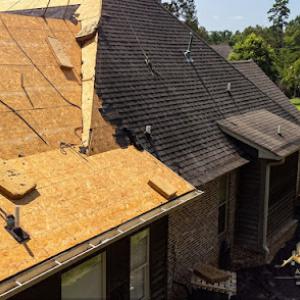
Operating since 2003 and proud to be a family-owned business, All State Roofing and Chimney is your dependable North Jersey roofing company. Dedicated to providing reliable and affordable residential services, they offer professional roof repairs, leak remedies, chimney restoration, and gutter maintenance. With their vast service areas, you can trust that All State Roofing and Chimney is always ready to serve customers in various counties and cities, providing prompt and top-quality results.
Jersey Roofing
(201) 931-5367 www.jerseyroofingllc.com
411 River Dr, Garfield, New Jersey
5.0 from 433 reviews
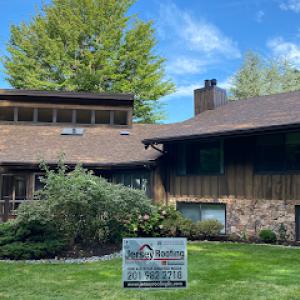
Jersey Roofing We are on top of all your roofing needs! Roofing Installation & Repair Jersey Roofing is family owned, since 1984, and operating as a roofing company with over 39 years in business. 4 Gold Award Winner in 2018, 2019, 2020 and 2021 Licensed and Fully Insured, our company is committed to providing you with the finest products, skilled workmanship and courteous service. Honest, dependable and reliable, you can TRUST the experienced professionals at Jersey Roofing Providing you with superior customer service is a priority at Jersey Roofing. We want you to know that we take your project seriously and we will work hard to build lasting and trusting relationships with our costumers.
GRAYSON Roofing & Siding
(201) 310-7147 graysonconstructiongroup.com
436 MacArthur Ave, Garfield, New Jersey
5.0 from 187 reviews
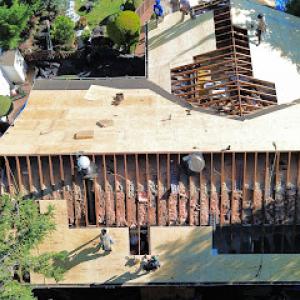
Grayson Roofing & Chimney is a trusted roofing contractor with 22+ Years of experience serving Garfield, NJ and nearby towns. We specialize in roof repairs, full replacements, storm damage restoration, and leak fixes for residential and commercial properties. Our team is fully licensed and insured, with years of experience providing fast, affordable, and reliable roofing services. We offer free estimates, emergency response and more. Contact us today, and we'll work together to bring your vision to life. Our commitment to customer satisfaction, combined with our expertise in roofing, has earned us a reputation as a trusted and reliable roofing company
USA Construction
(973) 652-0787 usaconstructionnj.com
138 MacArthur Ave, Garfield, New Jersey
5.0 from 102 reviews
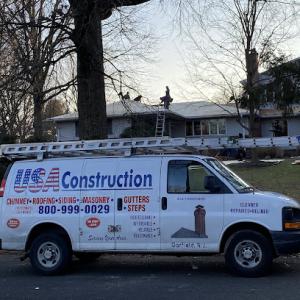
Looking for a reliable and affordable roofing Garfield NJ? Look no further than U.S.A. Construction & Roofing Repairs Garfield! We're a family-owned and US contractor with over 20 years of experience in residential roofing, commercial roofing, chimney repair, and chimney installation. Our certified and experienced USA construction crew and general contractor specializes in roof repair near me, roof replacement, and installing a wide range of roofing systems, including shingle, tile, cedar shake, metal, and flat roofs, as well as metal, and masonry chimneys in New Jersey. We offer free estimates and top-quality service to meet your needs. Call us today for the best construction company in professional service and customer satisfaction!
ADORE Roofing & Chimney
(201) 410-4516 adore-construction.com
100 Maple St Apt 50, Garfield, New Jersey
5.0 from 193 reviews
Adore Construction in Hasbrouck Heights provides expert chimney and roof services, including chimney repair, chimney cleaning, inspections, leak repair, flashing repair, crown repair, roof repair, roof replacement, shingle installation, and roof leak fixes. We deliver reliable workmanship, fast service, and honest pricing. Proudly serving Hasbrouck Heights and surrounding areas with trusted chimney and roofing solutions.
DONE RIGHT Roofing & Gutters
(201) 846-0531 doneriteroofingandgutters.com
81 Jewell St, Garfield, New Jersey
4.9 from 176 reviews
Done Rite Roofing and Gutters is your local residential and commercial Roofing Company to call for professional Roofing and Chimney Services, which includes Roof Repair and Replacement, Roof Leak Repair, Chimney Repair and Restoration, Gutter Installation and Repair. Done Rite Roofing and Gutters is available now for Free Estimates and Emergency Roof Repair. Insurance claims are accepted!
Top NJ Construction & Roofing
(862) 388-9084 topnjconstruction.com
59 Krakow St, Garfield, New Jersey
5.0 from 109 reviews
Top NJ Construction is your local New Jersey Roofing and Chimney Repair, Replacement, and Installation specialist, always available for Free Estimates. Top NJ Construction is a family owned and operated Construction specialized in Roofing, Chimney, Siding, Masonry, and Gutters in New Jersey, proudly servicing in the state for over 20 years. Our certified and experienced crew repairs, replaces, and installs Shingle, Tile, Cedar Shake, Metal, and Flat Roof Systems. Top NJ is also experienced in Prefabricated, Metal, Wood Stove, and Masonry Chimneys. With years of experience in residential and commercial Roofing, Chimney, Gutters, Masonry, and Siding Repair and Installation in New Jersey, you can expect professional service.
Roof Shark
532 MacArthur Ave, Garfield, New Jersey
4.9 from 216 reviews
Roof Shark is a roofing contractor in Garfield, NJ serving Upper Saddle River, River Vale, Millburn and nearby areas. Our roofing company offers residential roofing, commercial roofing, roof repair, asphalt shingle roofing, and more. We also specialize in gutters, siding, windows and doors. Customers love us because of our comprehensive roof warranties and our affordable roof financing options. We also have industry affiliations and certifications such as CertainTeed Contractor & Owens Corning Preferred Contractor . If you want to experience how your most trusted Elmwood Park roofing company embraces our motto "The Apex of Roofing Excellence ", call us now for a free estimate!
Home to Home Construction
(862) 241-3516 www.hometoroofing.com
21 MacArthur Ave, Garfield, New Jersey
4.9 from 94 reviews
Home To Home Construction is built on intensive training, professional certifications, and a strong commitment to safety and quality. We are not just contractors — we are certified professional technicians trained to properly diagnose, inspect, and evaluate every detail surrounding the issues our customers experience with their home or business. Our team follows OSHA safety regulations and standards, which are government-recognized certifications that ensure safe, compliant, and professional work practices on every project. From residential to commercial properties, we focus on accurate solutions, long-lasting results, and workmanship you can trust. At Home To Home Construction, quality, safety, and attention to detail come first.
Top Roofing
(201) 466-2534 www.toproofingllccommunity.com
87 MacArthur Ave, Garfield, New Jersey
4.8 from 81 reviews
Top Roofing is your trusted roofing and exterior expert in New Jersey. We provide professional roof installation, repairs, gutter services, siding, chimney work, and deck building. Whether it’s re-roofing or fixing a leak, our licensed team delivers quality with precision and care. We also specialize in exterior stairs and masonry work. Customers choose us for our honesty, fast communication, and results that last. Call today for a free estimate and see why homeowners rely on Top Roofing!
Tri-State Roofing & Chimneys
(862) 881-0028 tristateroofingandchimneys.com
163 Midland Ave, Garfield, New Jersey
4.7 from 78 reviews
Tri-State Roofing and Chimneys is a full-service roofing and exterior contractor serving New Jersey since 2015. We offer a wide range of services, including roof repair and replacement, gutter cleaning and repair, chimney cleaning and repair, and exterior foundation repair, and more. Our team of experienced and certified professionals is dedicated to providing our customers with the highest quality services at competitive prices.
Skylight repair is a notably active specialty around here, which points to frequent leak calls at roof penetrations rather than only broad field failure. When a storm carves through Passaic County, the vulnerability isn't always the shingle surface faulting first-it's the path where light meets roof: the skylight curb, flashing, and sealant joints. In older homes with mixed siding and flatter roof planes, skylight installations tend to sit atop transitions that can shift with temperature swings and settled framing. If a repair crew arrives and the leak resumes after a quick fix, the issue is often the flashing details around the skylight-especially where curb flashing meets larger field flashing or where the shingle layer dead-ends against the skylight collar. The honest takeaway is that a steady leak in winter or during heavy rain is rarely just about the glass; it's about the metal around it and how that metal ties into the surrounding roof. A durable remedy often means-before chasing a patch on the shingle surface-the thorough reseal and proper flashing kick-out at the skylight, plus a check for any hairline gaps where old sealants have dried out.
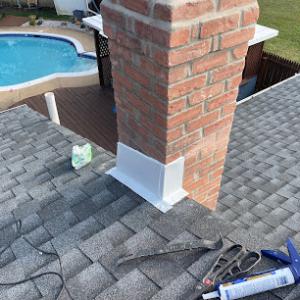
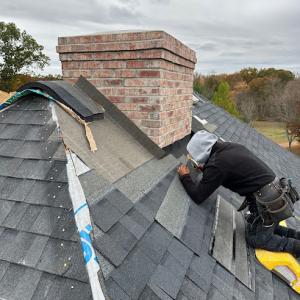
Chimney work is highly prevalent in the local contractor market, matching the older masonry-heavy homes found across this part of Bergen County. The chimney is not a single piece; it's a system where bricks, mortar, and concrete caps meet the roof deck. Over time, mortar joints crack, collars shift, and the surrounding flashing can rust or lift with seasonal freeze-thaw cycles. When leaks appear on repeated patch histories, the culprit is often flashing at the chimney rather than the shingle surface itself. The practical signal is to test the entire chimney-thatch interface: step flashing along the sides, a continuous base flashing under the chimney, and a coping cap that sheds water away from the roof line. In Garfield's climate, rapid responses to seasonal storms mean the first fix is rarely enough-if the flashing isn't redone with proper counterflashing and secure sealant at all joints, water can find a new path in before the next storm.
On Garfield homes, leaks almost always trace to flashing at roof-to-wall transitions, rather than a broad shingle failure. Valleys, transitions into parapets, and edge details near porches or dormers can misdirect water toward interior spaces, especially where the roof pitch changes or where old mortar and wood rots under a tired flash. The practical approach is to treat the transition as a water-control point: inspect not just the visible sealant but the entire channel that carries water from the deck to the wall. If a patch has kept the surface dry but has not addressed the underlying transition, leaks will return with the next freeze-thaw cycle or storm. In those moments, a careful re-flashing plan-integrating chimney, skylight, and wall flashings as a single waterproof system-delivers the real long-term defense against recurring leaks.
Find contractors experienced in skylight installation, flashing, and leak repairs to bring natural light into your home.
USA Construction
(973) 652-0787 usaconstructionnj.com
138 MacArthur Ave, Garfield, New Jersey
5.0 from 102 reviews
Roof Shark
532 MacArthur Ave, Garfield, New Jersey
4.9 from 216 reviews
Tri-State Roofing & Chimneys
(862) 881-0028 tristateroofingandchimneys.com
163 Midland Ave, Garfield, New Jersey
4.7 from 78 reviews
Spring and fall are the most workable replacement seasons for homes in this river-adjacent corridor. Moderate temperatures help keep shingles, underlayment, and sealants from becoming brittle in winter or cooking off in peak summer humidity. In Garfield, this means you can work through days that aren't gusty and freezing or blistering hot, which reduces risk of unexpected work stoppages and helps crews keep to a steady pace on a mixed stock of older residences.
Winter scheduling can be disrupted by snow cover, ice dams, and repeated freeze-thaw cycles that complicate tear-off and deck inspection. If a project must run in the colder months, plan for careful staging: consider how ice on the eaves might impact safety, and anticipate temporary protection for interior spaces during heavy precipitation. The work window shrinks when temperatures linger near freezing, so you'll want to align expectations with the crew about material handling, moisture intrusion checks, and interior protection before the first freeze.
After regional storm periods, demand spikes can tighten scheduling in the active repair market. In practice, that means non-emergency replacements can slip behind urgent leaks and rapid-response calls. Homeowners who anticipate weather swings should aim to book non-emergency replacements during the lull between late fall and early winter, or between early spring rain events. This helps ensure a steady crew availability and avoids last-minute pressure to rush a tear-off in less favorable conditions.
Garfield's aging housing stock often features low-slope sections and skylights that demand careful sequencing. If a roof includes long low-slope stretches, drainage performance and membrane integrity hinge on precise installation timing and climate control during the job. Scheduling should favor days with low wind and moderate temperatures, so adhesive and seam materials cure properly without thermal stress. If a storm window is anticipated, coordinate temporary containment and interior protection to minimize disruption to living spaces.
Align your project start with a forecast window of several consecutive days above freezing and with moderate humidity. Confirm that crews will perform a deck inspection and waterproofing checks early in the tear-off phase, so any hidden damage in older boards is addressed before new materials go down. Build in a small buffer for temperature swings, and keep a clear plan for temporary heat or ventilation if needed to maintain work quality and indoor comfort throughout Garfield's winter and shoulder seasons.
Get a clear picture of your project costs upfront - no commitment required.
GRAYSON Roofing & Siding
(201) 310-7147 graysonconstructiongroup.com
436 MacArthur Ave, Garfield, New Jersey
5.0 from 187 reviews
USA Construction
(973) 652-0787 usaconstructionnj.com
138 MacArthur Ave, Garfield, New Jersey
5.0 from 102 reviews
DONE RIGHT Roofing & Gutters
(201) 846-0531 doneriteroofingandgutters.com
81 Jewell St, Garfield, New Jersey
4.9 from 176 reviews
Asphalt shingles fit much of Garfield's existing housing stock and local contractor base, making them the most practical match for many detached homes and re-roof projects. The material's familiarity means crews can work quickly, which matters when winter storms push fast-response repairs. In your neighborhood, you'll often see a mix of 3-tab and architectural designs that shed snow and ice reliably enough for typical Griswold- or limestone-colored exteriors. The key to getting the most out of asphalt here is choosing a shingle with good granule retention and a shingle with a proven track record for wind uplift. For older homes, a careful match to the original slope and overhang details helps preserve curb appeal while maintaining a watertight retrofit during rapid-response leak repairs after a storm. If you plan on a quick re-roof to stabilize winter conditions, a standard asphalt system offers straightforward installation, ease of flashing integration around chimneys and vents, and a wide local support network for maintenance and replacements.
Metal roofing has a smaller but active specialist presence locally and can appeal on homes where snow shedding, longevity, and lower maintenance are priorities. In Garfield's climate, metal panels or shingles can dramatically reduce ice buildup along eaves and roof edges, helping to mitigate winter leaks that chase the rapid-response repair market after a storm. Metal systems respond well to low-slope sections that flush water away efficiently, which is a valued feature on many older properties or recent remodels with mixed roof geometries. The trade-off is that metal requires precise flashing and seam detailing, especially around skylights and dormers common in this city's varied housing styles. For homes where you expect frequent freeze-thaw cycles or anticipate repeated storm-driven leaks, metal can offer a longer service life with less ongoing maintenance, provided full, attentive installation is used and local expert support is available for flashing upgrades.
Tile, wood shake, and synthetic products exist in the market but are more selective choices in Garfield because many homes were not originally framed or detailed for heavier or more specialized systems. Clay and concrete tiles deliver striking aesthetics and excellent durability in warmer climates, but they demand a strong roof deck and precise slope considerations to avoid ice dams and weight-related concerns when winters intensify. Wood shakes bring a textured, traditional look that can complement older exteriors, yet they require diligent maintenance and more robust ventilation to prevent moisture-related issues in this climate. Synthetic products offer a modern, lower-maintenance alternative that can mimic heavier materials while staying comparatively lighter on the structure. When considering these options, evaluate the roof's framing capacity, the local contractor's familiarity with installation details, and the long-term performance under Garfield's winter conditions. In areas with low-slope sections, careful detailing around penetrations and transitions becomes essential to resist fast leaks during storms.
When you price a full replacement, you'll want to use per-square figures that reflect Garfield conditions. Asphalt shingles range from 350 to 700 per square, metal from 700 to 1200, clay tile from 1000 to 1800, concrete tile from 900 to 1500, wood shingles or shakes from 550 to 950, and synthetic or composite shingles from 600 to 1100. These are the practical band for a city with dense blocks and frequent storm-driven needs. If a contractor includes premium underlayment or specialized fasteners, you'll see small increments above these ranges, but the listed bands cover the bulk of typical projects.
Costs in Garfield can rise on tightly spaced lots where tear-off debris handling, material staging, and driveway access are limited compared with more spread-out suburbs. Narrow alleys, shared driveways, and frequent street parking can slow debris removal and material delivery, which translates to more crew time and higher disposal fees. If a roof blocks multiple access points or requires daily staging in front of the home, expect a modest bump in both permit-ready planning and the actual labor hours.
Mixed roof geometry on older homes-dormers, chimneys, skylights, and low-slope tie-ins-can increase labor beyond what a simple square count suggests. Each dormer or chimney typically adds edge work, flashing, and integration with existing valleys. Low-slope sections demand careful waterproofing and often more intricate insulation details. In Garfield's climate, where winter ice and wind-driven leaks are common, these extra details are essential and can push material and labor costs higher than a straightforward, flat-slope replacement.
For an apples-to-apples estimate, start with the per-square ranges above, then add a modest contingency for debris management and limited access, plus a line for the specialty work on mixed geometry. If a roof has multiple skylights or a large number of dormers, plan for higher labor hours even if the square count seems modest. In tight neighborhoods, it's prudent to request a staging plan from your contractor that addresses driveway access and waste containment-these steps can save time and reduce surprises once work begins.
Don't let upfront costs delay a critical repair - these contractors offer payment plans to fit your budget.
Roof Shark
532 MacArthur Ave, Garfield, New Jersey
4.9 from 216 reviews
Allied Roofing & Construction
(973) 851-2768 www.alliedconstructionusa.com
Serving
4.9 from 224 reviews
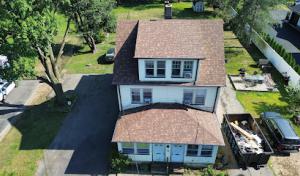
In this city, a full roof replacement is treated as more than routine maintenance and generally requires a permit through the building department. That means the project isn't something you can just deck over and call it a day; the local authority expects formal review and on-record approval of the work. The focus of the permit review is not only the act of replacing the roofing material but the structural and waterproofing integrity of the entire assembly, especially in older houses where snow, ice, and wind can exploit gaps.
The permit submission from the contractor should lay out the project scope in clear terms and specify the exact roofing system being installed. Before filing, confirm with your contractor precisely what assembly is planned-from the underlayment and flashing details to any specific venting, ice barriers, or skylight transitions. This is a city where details matter, because the approval hinges on whether the chosen system will perform as intended under winter ice buildup and seasonal storms. Make sure the contractor's documentation matches what will actually be installed, and keep a copy of the submitted scope handy for follow-up questions during inspections.
Inspections in this area typically occur during the course of the project and again at final completion. That means there is an opportunity for the inspector to verify that materials and workmanship align with the approved plan and that any change orders have been properly processed. It's important to keep permit paperwork, including all change orders, organized and readily accessible at the job site. If a modification becomes necessary-whether due to unexpected decking conditions, vent relocation, or flashing adjustments-document it and secure the corresponding approval so the final inspection can proceed without hold-ups.
Coordinate closely with the contractor to ensure all submittals reflect actual installations before you file. Keep a running file of dates, inspector notes, and any amendments to the scope. Since winter conditions and storm-driven repairs are a recurring reality, align permit timing with anticipated weather windows to minimize disruption and avoid rushed changes that could complicate inspections. Retain copies of every permit, certificate, and change order at the job site, and make them available for review at the inspector's request.
When a storm or a sudden leak hits an older home with low-slope sections, your first move is to gather clear, date-stamped photos of the affected area. Include wide shots of the roof and close-ups of any visible damage, plus interior water stains with timestamps. You should note contractor findings and a concise, explicit cause for the damage. New Jersey carriers commonly require proof tied to a covered peril, so this documentation becomes the backbone of your claim. In Garfield, where storm-driven leaks and fast-repair work are common, it's especially important to separate fresh storm impact from long-term wear.
Insurers in New Jersey may send field adjusters to verify roof damage in person. Expect questions about roof age, maintenance history, and whether recent repairs could trigger code-related upgrades. In Garfield, the mix of older housing stock and frequent storm activity means adjusters often weigh whether a repair addresses a true event or reveals preexisting conditions. The outcome can hinge on whether the repair avoids creating a broader code-related obligation for replacement or upgrading components.
Because Garfield has a strong storm-repair and insurance-claims contractor presence, homeowners should separate true storm damage from long-term wear before filing. Look for patterns: isolated impacts, hail marks, or wind-driven lifting versus widespread curling, missing granules, or repeated small leaks that align with aging materials. If a leak appears only after several seasons of harsh winter cycles, it may be wear rather than a single covered peril. Clear distinctions help claims move efficiently and prevent a claim from being denied on a ground of preexisting conditions.
When an adjuster visits, present your organized file and be prepared to discuss the date and source of each problem, including contractor notes. If damage is disputed, you can request a second opinion or provide additional documentation showing a direct link to a covered peril. In Garfield, a proactive, transparent file often leads to a smoother process, fewer surprises, and a more accurate assessment of what the roof truly needed at the time of the event.
Connect with contractors who help homeowners navigate the claims process from damage assessment to final approval.
DONE RIGHT Roofing & Gutters
(201) 846-0531 doneriteroofingandgutters.com
81 Jewell St, Garfield, New Jersey
4.9 from 176 reviews
Allied Roofing & Construction
(973) 851-2768 www.alliedconstructionusa.com
Serving
4.9 from 224 reviews
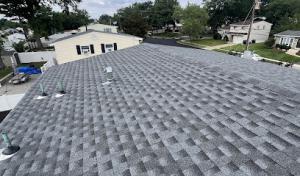
In this market, contractors crowd the street with re-roofing crews ready to move fast after a storm. You'll want to see concrete signs of cleanup discipline: tarps secured, loose debris contained, and a plan to sweep the yard and street during a tight lot encounter. Ask for a realistic response window after a leak report and how crews guard driveways and neighboring homes on narrow Garfield lots.
Chimneys and masonry gaps are common trouble spots around here, so don't assume every crew handles flashing and masonry details equally well. Ask specifically who will install and inspect the chimney flashing, step flashing along intersections, and any counterflashing at brick edges. If a wall or chimney is involved, request examples of recent projects and a brief explanation of the method, materials, and waterproofing tests used.
Long-established firms are a visible part of the local market, yet supervision varies. Find out who will be on-site daily, and whether the foreman is your regular contact throughout the job or a rotating supervisor. Homeowners notice when a well-known name sends a junior crew to "handle the job"-clarify supervision plans in writing and confirm who signs off on final workmanship.
A practical approach is to set expectations for daily updates during a repair or reroof, especially when winter conditions can complicate access or create quick leaks. Compare how each contractor documents work performed, protects surrounding properties, and coordinates with other trades already operating on nearby projects. In Garfield, where tight streets and close quarters are the norm, clear, proactive communication is as valuable as a solid warranty.