
Last updated: Apr 19, 2026
East Boston sits directly on Boston Harbor, so Nor'easters bring wind-driven rain right from the water side. That spray can slam flashing, parapets, and roof edges with aggressive force, peeling back sealants and loosening fasteners much sooner than inland neighborhoods. The gusts around Logan Airport add an extra push, turning a gentle rain into a battlefield for aging flashing and vulnerable joints. On this harborfront terrain, roofs endure more salt spray, freeze-thaw cycles, and sudden squalls than you'd expect from a quiet inland street. When a storm hits, a tiny failure at the edge becomes a flood path into unseen spaces.
Low-slope and older residential roofs are built to shed water, not claw it back in. Here, wind-driven rain finds every seam, corner, and transition point where grip loosens or materials age. Parapets, vents, and skylines near the water line are frequent trouble spots; in many attached and closely spaced homes, a leak on one side can cascade along party walls and into top-floor ceilings, then chase drainage paths shared by multiple units. The dense blocks amplify damage when one roof section fails, because the leak travels quickly through soffits, gutters, and internal channels that run between units. Even minor edge laps and nail heads can become conduits for moisture after a heavy gust.
If you notice peeling sealant, loose flashing, or rusted metal near the roof's edge, address it before the next storm hits. Inspect flat or low-slope sections for ponding water after rain; standing water is a sign of poor drainage that will magnify leaks under wind pressure. Ensure parapets, kick-out flashings, and vent flashings are tight, with corrosion-free fasteners and sealer that remains flexible in cold weather. For row houses with shared walls, pay attention to the interior ceilings on the top floor and spots along the common wall for signs of moisture staining. Keep debris out of gutters and confirm downspouts discharge away from party walls and foundations. If you suspect a previously repaired area, rerun a close look at the bonding between roof surfaces and wall assemblies-wind can exploit small cracks that were once insignificant.
Develop a storm-ready routine that targets edges first. Schedule semi-annual inspections focusing on flashings, edge metal, and parapets, with extra emphasis after Nor'easters and winter temp swings. Use a flashlight to check attic and ceiling corners for early-water-travel signs after storms-new stains or unusual dampness near the top floor indicate a fast-moving issue. In tight, crowded lots, maintain a proactive plan for nearby neighbors: coordinated inspections reduce the chance that a leak in one unit becomes a shared drainage crisis. When a draft of cold air or rain enters from a seam, treat it as a warning signal to call in a local roofer who understands harbor winds and salt exposure, and can reinforce with wind-rated fasteners and compatible sealants designed for coastal environments.
The housing stock in this neighborhood includes many triple-deckers, rowhouses, and multifamily buildings with flat or very low-slope roof sections rather than simple suburban gable roofs. Those roofs face constant exposure to salt air, Nor'easters, and freeze-thaw cycles, which accelerates edge and seam wear. Ponding water, clogged internal drains or scuppers, and ice buildup after coastal winter storms are regular concerns. Planning around narrow streets, tight lot layouts, and limited staging space is part of every flat-roof project, not an afterthought.
With flat roofs, the first step is a careful walk-around to identify high- risk areas. Look for sagging along parapets, blisters in single-pply membranes, and any signs of previous repairs or patchwork at seams. Pay close attention to drainage paths: internal drains that pull through the interior walls, scuppers at parapet edges, and any debris buildup that blocks water flow. In Eastie conditions, minor edge damage can become a north wind-driven leak in a few hours during a coastal storm, so address issues promptly. If the roof has a very low slope, test water flow by gently running a hose along the surface during daylight and inspect the interior ceiling for any hidden leaks around penetrations, vents, and skylights.
Flat-roof work in tight neighborhoods demands careful staging. Access points may be limited, and staging platforms need to sit on stable, level ground without obstructing alley or street clearance. For multi-family buildings, mechanics must coordinate elevator access, material hoists, and shared ladder routes to minimize disruption to residents. When arranging a tear-off, consider that waste removal and material storage will require nearby curb space or a permit-approved drop zone. Weather windows matter: in coastal environments, a dry, still day is preferred, yet Eastie winds can pick up quickly, so plan backup days and secure loose materials to prevent them from becoming projectiles.
Low-slope roofs exposed to salt air benefit from durable, seam-focused detailing and wind-resistant edge fastenings. Choose membranes with proven lift and seam strength, and verify that edge clips, cap sheets, and fasteners are rated for coastal winds. Parapet and edge detailing should incorporate wind-driven flashing that is firmly anchored and sealed against water intrusion. Deck-resistant underlayment or ballast strategies may be appropriate where applicable, especially on roofs near high-wind corridors. Ensure penetrations-vents, furnace stacks, and exhausts-are thoroughly sealed with compatible sealants and flashing to resist salt-laden spray.
Routine care in this climate relies on two chores: keeping drainage paths clear and inspecting flashings after major storms. Schedule a fall inspection to remove leaves and debris from scuppers and internal drains before winter starts. After heavy snow events, perform a cautious check for ice buildup at edges and parapets, as rising meltwater can refreeze at the eaves and cause leaks inside the building. Document any changes in roof surface condition so that minor issues don't escalate into costly failures when spring storms return.
Find specialists in TPO, EPDM, and built-up flat roofing systems for residential and commercial properties.
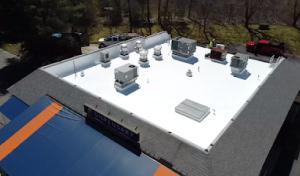

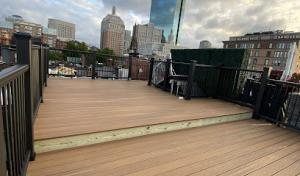
Immediate Roofing MA
(781) 382-8581 immediateroofingma.com
Serving
5.0 from 15 reviews
"With 30 years in the commercial rooting industry, our company has become a trusted leader in providing durable, high-performance roofing solutions. We've worked with businesses of all sizes, delivering tailored systems that protect their buildings and stand up to the toughest conditions. Our three decades of expertise mean we understand the unique challenges of commercial properties, from flat roofs to large-scale industrial facilities. When you choose us, you're not just getting a roofing contractor-you're getting a partner dedicated to excellence, safety, and your long-term success.
All For U Roofing & Masonry
(617) 362-8254 allforuroofing.com
Serving
5.0 from 49 reviews
All For U Roofing & Masonry provides carpentry services, gutter services, masonry services, patio services, and more to Boston, MA, and the surrounding areas.
Art Slate Roofing
(617) 913-1130 www.artslateroofing.com
Serving
5.0 from 20 reviews
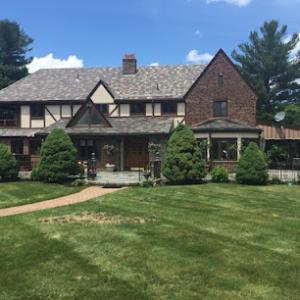
For over 20 years, Art Slate Roofing has been the go-to roofing company in the Cambridge area. We specialize in Historical Renovations, as well as Slate & Copper roofing. From leak repairs to emergency blow-offs, curb installations to coating, preventive maintenance to roof asset management, our roofing team can handle it all. We also offer masonry work, chimney repair, and Gutter & Downspout services. Ask about our warranty! Call today for a free estimate!

Gibbs Roofing
(617) 793-7724 gibbsroofings.com
Serving
5.0 from 24 reviews
Gibbs Roofing provides expert roofing services to homeowners and businesses throughout Everett. Our experienced team specializes in roof repairs, full installations, leak detection, and preventative maintenance. We work with durable, high-quality materials—including asphalt shingles, metal roofing, and flat roofing systems—to deliver lasting results. Whether you're addressing storm damage, aging shingles, or planned upgrades, we offer clear, transparent estimates and responsive scheduling. With a commitment to quality workmanship, safety, and your satisfaction, Gibbs Roofing is the trusted choice for professional roofing care in Everett.
Roof Hub
Serving
4.8 from 99 reviews
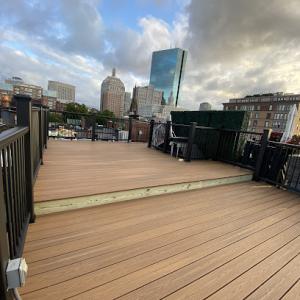
Boston roofing contractor Roof Hub makes it easy for you to get an affordable new roof. Whether architectural asphalt shingles with a 50-year warranty or flat roof replacement, get your online quote by email in under 24 hours. We're roofers in Boston with a proven history tackling Boston's complex construction industry, handling permits and new roof installs in tough-to-roof neighborhoods like the Financial District, Back Bay, North End, South End, West End, Fenway-Kenmore Our process-oriented, customer first approach to roof replacement in Boston is why customers keep passing our name along to friends + family. Hundreds of roofs installed in Dorchester Boston, Roxbury, West Roxbury, Hyde Park, Roslindale, Cambridge. All of Greater Boston
CAN Roof Construction
(857) 415-7727 canroofconstruction.com
Serving
5.0 from 119 reviews
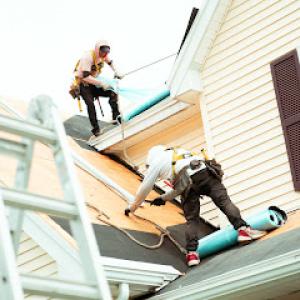
CAN Roof Construction is one of the best Roofing Contractor and Deck Builder in Boston Massachusetts providing Asphalt Roof repair and replacement, Rubber Roof Repair and replacement, Flat Roof Roof repair, Gutter installation, Deck and Porch building and serving Metro West, the Greater Boston area and all surrounding cities. We are the top Roofing Contractor in Boston MA, committed the highest customer service and workmanship quality. We are proper licensed and Insured. If you have roof leak, missing shingle or damage on your roof, get in touch with us, we would love to help you with your roof repair or replacement project. We CAN Roof it!
Corolla Roofing
(617) 561-1333 www.corollaroofing.com
Serving
4.7 from 19 reviews
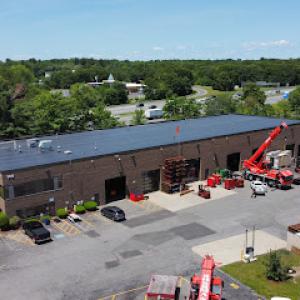
Corolla Roofing, also known as Corolla Contracting, is a trusted roofing contractor located at 120 Banks Street, Winthrop, Massachusetts. They specialize in providing top-notch roofing solutions tailored to meet the unique needs of both residential and commercial clients. With over 30 years of experience, Corolla Roofing is known for their expertise and attention to detail, ensuring durable and long-lasting roofs. Their services include new roof installations, repairs, and maintenance, all delivered with exceptional customer service. The skilled team at Corolla Roofing is committed to completing every project on time and within budget, making them the preferred roofing experts in Winthrop and the surrounding areas.
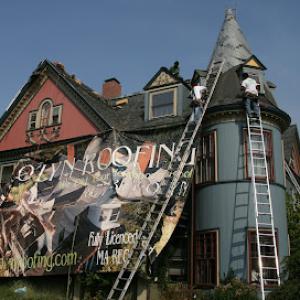
O'LYN Roofing
(781) 854-5947 www.olynroofing.com
Serving
5.0 from 23 reviews
With 51 years of roofing excellence, O’LYN Roofing is Boston's premier choice, specializing in top-tier roof installation, including slate, copper, wood, asphalt, and flat roofs. Our expertise extends to distinctive Victorian roofing, gutters, downspouts, and skylights. Elevate your home with O'LYN Roofing's precision and professionalism. Contact us for a roof inspection and estimate. Join satisfied clients in experiencing the O’LYN difference. Trust your property to the experts at O’LYN Roofing, where excellence meets experience.

Clancy Roof & Leak Repairs
(617) 467-2455 clancyroofrepaircharlestown.com
Serving
5.0 from 53 reviews
Clancy Roof & Leak Repairs specializes in finding and fixing roofing issues before they turn into costly damage. The team is skilled at tracing leaks to their exact source, repairing problem areas with durable materials, and ensuring the rest of the roof remains in good condition. For more extensive damage, they provide clear recommendations and handle larger repairs with the same attention to detail. Customers often note the quick response times, the straightforward advice, and the quality of the finished work. Clancy Roof & Leak Repairs is committed to keeping properties secure and weatherproof.
Roof Repairs Co. - Leaky Roof?
(617) 846-0900 www.theroofrepaircorp.com
Serving
4.5 from 18 reviews
Roof Repairs offers a variety of superior roofing services with years of industry experience. From preventative maintenance to re-roofing your home of business, Roof Repairs is the only answer for quality lasting roofing services throughout Massachusetts. Whether you are a homeowner, business, institution or architect, Roof Repairs has the expertise and the dedicated team of roofers to get the job done right…on time and within budget. The Roof Repairs team works towards one goal with every project…to do the kind of job that will result in decades of leak-free satisfaction. And that takes careful planning and honest consultation.

Secure Roofing
(617) 770-9323 quincyroofing.com
Serving
4.9 from 38 reviews
Secure Roofing: Your trusted experts for residential & commercial roofing. Specializing in asphalt, slate, shingle & rubber installations/repairs. Quality craftsmanship & affordable prices guaranteed.
Northeast Industrial Roof
Serving
5.0 from 123 reviews
With 20 years of experience, Northeast Industrial Roof INC is your trusted roofing company in Medford, MA. Located at 510 Riverside Ave, we specialize in shingle, metal, tile, cedar, EPDM, slate, flat, green, TPO, and PVC roofing. Our services cover both commercial and residential roofing needs, including roof repair, maintenance, replacement, waterproofing, and gutters. Whether you need a new roof, a repair, or regular maintenance, our expert team is here to help. Choose us for reliable, high-quality roofing services in Medford and surrounding areas. Your satisfaction is our priority. Keywords: roofing Medford MA, roofing company Medford MA, roofing contractor Medford MA.
Harbor salt exposure can accelerate corrosion at metal flashing, fasteners, roof edge components, and older rooftop accessories in East Boston. That corrosion dulls fasteners and weakens seals, making leak paths easier to establish after a winter wind gust or a heavy storm surge. If your flashing looks stained, blistered, or boards or metal at the eaves show greenish or brown staining, treat it as a red flag. Corrosion around vent boots or curbs can travel under roofing layers and silently compromise the membrane. In practice, this means keeping an extra eye on fasteners near the edges and around penetrations, and planning replacement with corrosion-resistant materials when you notice pitting or looseness.
Repeated winter freeze-thaw cycles in coastal Massachusetts can widen small cracks around penetrations, masonry interfaces, and aging roof membranes. The constant expansion and contraction create hairline fissures that let in water during thaws. On low-slope or older residential roofs, those micro-cracks often gather drifted salt spray, dirt, and organic debris, which compounds moisture retention. The result is a slow but persistent drip that can travel long distances along the underside of sections of decking before you spot it in a living space. Regular inspection of seams around skylights, vent stacks, and chimneys is essential, especially after back-to-back storms and periods of rapid temperature changes.
Ice dams are a recurring concern after snow events followed by temperature swings, especially on older homes with uneven insulation and ventilation. When warm attic air meets a cold roof, meltwater refreezes at the eaves, backing up under shingles and into joints. Over time, that backing can push up under flashing and edge components, loosening seals and inviting moisture intrusion. In neighborhoods with dense construction, tight roofs and limited attic access intensify this risk. If you notice icicles forming along eaves, damp patches on ceilings, or staining near wall-roads where the roof line meets masonry, address insulation gaps and ventilation hot spots promptly to slow dam buildup.
In this coastal climate, routine checks matter more than you might expect. Look for dull, discolored fasteners, rust around edge metal, or any loose flashing on lower roof sections. Check penetrations-pipes, vents, and chimneys-for fresh or dried sealant gaps. Monitor gutters and drip edges for corrosion or missing sealant, and watch for staining on masonry joints adjacent to roof edges. After severe cold snaps or heavy snow, pull back a discreet section of flashing where safe to inspect for signs of moisture intrusion or salt corrosion. If daily life starts showing signs of moisture-musty odors, damp spots in ceilings, or visible water staining-treat it as a prompt to call a trusted roofer for a targeted assessment.
When you can't wait, these contractors offer fast response times to stop leaks and prevent further damage.
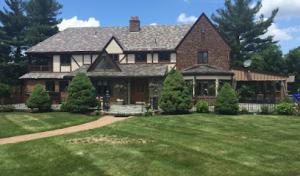
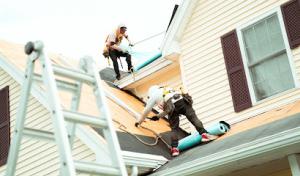
Asphalt shingles remain common for pitched sections, but East Boston homes often combine shingle areas with low-slope rear or porch roofs that need different systems. You'll want a shingle roof that pairs well with a water-resistant underlayment and properly sealed transitions where the roof meets dormers, bay windows, or masonry walls. In practice, that means choosing heavy-duty architectural shingles with a reliable, compatible starter course and ensuring adequate attic ventilation to control freeze-thaw cycles that coastal winds aggravate. Pay attention to edge detailing along the porch or rear flat sections where wind-driven spray can lift shingles if the underlayment isn't fully protected.
Slate and copper are relevant in older Boston-area housing because historic roof details, masonry transitions, and visible street-facing architecture still appear in East Boston. If your home features decorative cornices, terra-cotta ridge caps, or brick chimneys, prioritize systems that accommodate gradual transitions without creating leak paths. Slate offers durable, period-appropriate aesthetics, but it requires careful matching of substrate and flashing to prevent leaks at joints and around protrusions. Copper can lend a lasting, low-maintenance look around gutters, skylights, and flashing, yet copper's expansion and contraction must be accounted for in joints and seam details. When choosing, consider the appearance from the street as much as the hidden performance, since visible details contribute to curb appeal and historic character.
Metal roofing must be evaluated carefully near the harbor because exposed fasteners, edge details, and dissimilar-metal contact matter more in a salt-air environment. If you opt for metal, pick a system with concealed fasteners or a verified corrosion-resistant panel profile, and ensure sealant and edge closures are designed for coastal winds. Pay special attention to flashing at transitions to masonry, vent pipes, and chimneys; salt air accelerates corrosion and can undermine edge details. Consider coatings or finishes designed for coastal salt exposure, and examine the roof line for wind-driven water paths that may require enhanced rakes, hips, and ridges to resist uplift. In tight East Boston corridors, small but well-sealed joints around dormers and overhangs make a big difference in keeping leaks out during Nor'easters. Each option should be evaluated for how it handles sea spray, wind, and the neighborhood's stair-step roof geometry.
Replacement costs in this neighborhood reflect tight streets, limited staging, and the need to maneuver bulky materials and dumpsters through dense blocks. Asphalt shingles remain a common option for cost-conscious projects, but delivery constraints and rear lots can push crews to work around access challenges, increasing labor time. Metal roofing, concrete or clay tiles, and even slate can be viable in the right situations, yet stair-step access, long lead times, and staging restrictions can tilt the total price higher than in more trailer-friendly neighborhoods. Storm-driven demand spikes after Nor'easters tighten contractor availability across the city and push scheduling and pricing pressure for homeowners in this area. For a typical single-plane replacement, expect the lower end to land near the listed ranges, while more complex layouts hike up the sum quickly.
Multifamily layouts, rear additions, dormers, chimneys, and mixed roof types are common here and can make replacements more labor-intensive than a simple single-plane roof. If the roof spans multiple levels or ties into a dormer or chimney chase, crews must protect adjacent living spaces and coordinate temporary utilities and debris containment within tight yards or alleys. This often means longer project timelines and additional staging space, which in turn raises both material handling costs and labor hours. When a roof is a patchwork of slopes and angles rather than a uniform plane, expect extra fastening, waterproof detailing, and potential flashing work to accommodate wind-driven coastal exposure. The result is a higher per-square cost, even if the surface area is modest.
Asphalt shingles still offer the most straightforward option for East Boston, but installation on low-slope sections near salt air and Nor'easter exposure calls for careful underlayment and flashing details. Metal roofing can improve wind resistance but demands meticulous seam work and precise pitch compatibility on irregular rooflines. Clay or concrete tiles perform well in harsh winters but add weight and require structural checks; some structures in dense housing stock may need reinforcement to handle heavier assemblies. Slate and copper are premium paths with the strongest long-term performance, yet their weight, sourcing, and transport complexities are often felt more acutely in tight urban grids.
When scheduling, anticipate possible delays caused by limited contractor availability after storms. Contact multiple qualified roofers early to compare timing windows, staging plans, and access routes for dumpsters and material deliveries. Request a written plan detailing how crews will handle rear access, multi-level sections, and transitions between roof types if present. If you own a building with a rear or side alley entry, confirm that the plan includes safe offloading points and protections for landscaping and sidewalks. Ask for a line-item breakdown that clearly separates decking, underlayment, flashing, and ventilation work, so contingencies can be tracked without surprises.
Get a clear picture of your project costs upfront - no commitment required.
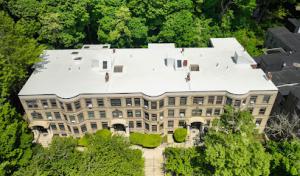
A full roof replacement in East Boston typically requires a permit through the City of Boston Inspectional Services Department. The permit process is not a formality you can rush, especially with low-slope and older homes that push the boundaries of the original design against wind, salt air, and freeze-thaw cycles. Start early by identifying whether your project is a simple reroof or something more complex, like reinforcing a sagging deck or addressing water intrusion that affects multiple units in a triple-decker. The permitting pathway hinges on the scope of the work and the building's value, so recognizing the differences up front helps prevent delays.
Boston inspections are part of the reroofing process, with a final inspection required after completion. Your contractor should schedule the initial inspection to verify that materials, ventilation, and attachment methods meet local code requirements. Expect a mid-project review if structural updates or underlayment upgrades are needed to handle Nor'easter winds and coastal exposure. The final inspection confirms that all components were installed to spec and that the roof system will perform under wind-driven spray and salt-laden conditions typical around the harbor.
Review requirements and fees vary with project scope and value, so East Boston owners of multifamily or more complex buildings should expect permit handling to differ from a simple small reroof. For multifamily properties, you may encounter additional reviews for fire separation, egress, and common-area access to the roof space. If your building has a flat or low-slope roof, expect emphasis on drainage details, edge metal, and flashings that hold up against coastal gusts. A good plan is to prepare sketches and product selections in advance, showing how updated flashing, underlayment, and insulation tie into existing systems without compromising eave or parapet conditions.
Coordinate with a licensed roofing contractor who understands East Boston's wind patterns and salt exposure, and who can navigate the Inspectional Services Department's digital filing and any neighborhood-specific requirements. Keep copies of surveys, parcel data, and prior permit notes handy, because reviewers may ask for clarifications on roof penetrations, venting, and membrane choices. After the job, ensure a tidy handover packet for the final inspection that documents all weatherproofing details, including skylight and chimney flashing where applicable.
Coastal exposure and frequent Nor'easters mean wind-driven rain and water intrusion can resemble older, pre-existing damage. Massachusetts insurers commonly scrutinize wind-related claims after major coastal storms, a reality that affects neighborhoods with harbor-facing roofs and low-slope systems. The result is that a claim may be evaluated against prior condition notes and historical repair patterns, so the way damage is documented matters.
Homeowners should document wind-driven rain entry, lifted roofing, flashing damage, and interior top-floor staining immediately after Nor'easters. Photos taken from different angles, dated and timestamped, help establish the sequence of events. For East Boston, where salt air and frequent gusts can accelerate corrosion and delamination, clear images of fasteners, edge metal, and skylight seals can be decisive in a claim review. Preserve any damaged interior materials to show moisture progression and potential mold risk.
Adjusters may ask for pre-loss condition evidence, contractor photos, and invoices, which matters in a neighborhood with repeated storm exposure where distinguishing old versus new damage is a common challenge. Having a simple file of prior repair receipts, roof slope condition notes, and recent maintenance records can help paint a clearer picture. If a claim involves multiple small events, expect questions about whether the latest damage is the result of a single storm or cumulative wear.
Submit a detailed loss narrative that ties visible damage to the storm event, including dates and wind directions if known. Store contractor communication and inspection reports in a dedicated folder, and ensure you have a trusted local roofer who can provide objective, dated inspection photos. In cases of mixed-old-and-new damage, honest documentation of prior conditions can prevent disputes and support a fair assessment of necessary repairs.
Connect with contractors who help homeowners navigate the claims process from damage assessment to final approval.
Clancy Roof & Leak Repairs
(617) 467-2455 clancyroofrepaircharlestown.com
Serving
5.0 from 53 reviews
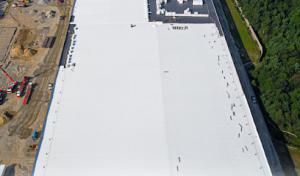
Older East Boston homes often have a tangle of chimneys, dormers, and additions that create leak-prone flashing transitions. When you inspect a low-slope roof in a triple-decker or brick-heavy row, map every interruption where roof planes meet a vertical wall or another roof plane. Start by checking around every chimney and dormer for cracked or missing step and counter-flashing, then trace the transitions where a new addition ties into the main roof. In practice, you'll want to re-seal those joints with a combined pack of self-adhering membrane and metal flashing, paying attention to any signs of moisture tracking under shingles or membrane. Pay particular attention to intersections where tarred flashing has aged to brittle corners-these are common leak paths after Nor'easters and winter cycles.
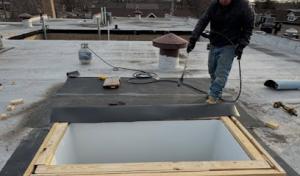
Skylights on dense urban homes need careful curb and flashing work because wind-driven rain from harbor storms can force water into weak perimeter details. Begin with the curb by ensuring it's properly flashed to both the roof membrane and the skylight flange. Look for loose fasteners, micro-gaps around the curb where the curb meets the roof, and degraded sealant. Sealant should be compatible with the curb material and the roofing membrane, and joints must be clean and dry before resealing. If the curb is elevated or has multiple courses, verify the step-down flashing inside the curb is continuous and Z-clips or integrated drip edges are in place to direct water away from the sealant and interior edges.
Masonry-to-roof intersections are especially important in older housing stock where brick walls and chimneys meet aging roofing materials. Inspect the transition from brick veneer or brick chimneys to the roofline for cracks, spalling brick, or missing mortar that can channel moisture to the roof edge. Ensure counter-flashing rises above the brick line and is integrated with the main flashing. Where brick and roof meet at a parapet or crown, add continuous sealant bead and a metal drip edge to guide water away from the joint. At every masonry corner, test for hairline leaks by running a slow, controlled spray along the transition and watching for seepage inside.
Find contractors experienced in skylight installation, flashing, and leak repairs to bring natural light into your home.
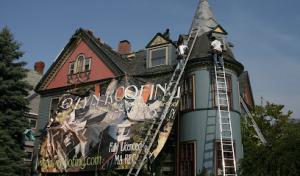
In East Boston, winter snow load and ice can delay tear-offs and emergency repairs on flat and low-slope roofs, as meltwater lingers and crews chase slippery surfaces. If you suspect a leak, plan for possible weather-induced delays and avoid rushing a critical repair when temperatures are subfreezing. In East Boston.
Spring is typically the most storm-prone window, with Nor'easters and coastal gusts that push water and debris onto roofs. Scheduling flexibility matters because a mid-season downpour can interrupt teardown work and create temporary leak risks. If a project must start in this period, set contingency dates and be prepared for weather-driven pauses.
Summer humidity and heat challenge crews on dark low-slope roofs and tightly packed urban buildings. Roofing materials can expand, sealants cure differently, and access can be tighter with neighbor properties nearby. Plan for longer days, hydration, and clear communication with neighbors about any temporarily exposed roof edges or vent work.
Fall brings shifting winds and the tail end of hurricane season patterns that can affect scheduling and material handling. When a project starts in autumn, expect occasional interruptions from coastal spray and gusts. Build in buffer days for flash rain events and ensure temporary protection around skylights, vents, and edge details.
If leaks intensify after heavy storms or you notice edge flashing loosening, treat it as a priority signal. A reroof decision should balance the roof's age, the extent of wind-blown damage, and the risk of further water intrusion. Early planning reduces snowmelt and wind-driven leakage risk during the next weather cycle.
Choose a contractor who can adapt to winter and shoulder-season work, confirm that temporary weatherproofing will be provided during delays, and align your schedule with local storm forecasts. Prioritize critical leaks and ensure staging areas are clearly marked to minimize disruption to the block.