Last updated: Apr 19, 2026
Spring hail and strong storms ruin the look of a roof fast and can compromise the structure beneath in ways that aren't obvious from ground level. In this area, wind-driven rain in summer and fall creates repeated leak-entry opportunities around flashing and roof penetrations. The combination of wooded lots and seasonal debris means shingles can be loosened, valleys clogged with leaves, and moisture trapped where it's hardest to spot. The risk is highest on steep-slope roofs where debris slides into gutters, helping water back up into eaves or overhangs. Treat every sudden wind or hail event as a potential hatchet on your roof-don't wait to inspect.
After the last gust or hail impact, your first move is to protect the interior. If you notice any dripping, damp ceilings, or stains on walls, set up temporary containment: use a sturdy tarp to cover the affected area and direct water away from electrical fixtures. In Vincentown, tarps are not a luxury but a necessity during rapid response windows. Check gutters and downspouts for blockages created by branch debris; clear them carefully so water can flow away from the roof edge rather than pooling at the eave line. If a hail-driven impact is suspected, treat it as a potential hidden damage scenario: even a seemingly minor dent can indicate compromised shingles or flashing that will fail under next rain. Use a flashlight at night to trace water trails inside the attic; damp sheathing or dark streaks near vents or chimneys are telltales worth documenting.
Flashing around dormers, chimneys, roof vents, and skylights tends to be the first casualty of storms here. Branch debris often rests in valleys and along roof edges, masking moisture that sits against the underlayment. Inspect for lifted tabs, loose nails, or rusted metal where flashing meets shingles. If you can access the attic safely, look for condensation patterns and wet insulation near penetrations; this points to slower leaks that will worsen with the next storm. Do not assume a small area is dry just because it looks intact from the ground. A close-up inspection of the flashing details, snapping photos in good light, helps prioritize repair steps and communicates urgency to a contractor.
Documenting storm damage promptly matters for insurance claims. Take clear, time-stamped photos of every affected area: roof edges, valleys clogged with leaves, flashing gaps, and any visible interior water intrusion. Keep a written log of storm dates, wind speeds if known, and notes on rainfall intensity. Record the sequence of events from storm onset to discovery of leaks, including how quickly water entered after the storm. Preserve damaged materials in place when safe to do so; if a tarp or quick temporary repair is done, photograph before and after, noting the exact location and type of material used. When you file, provide a precise map of affected sections of the roof and attic, with measurements where possible, to help an adjuster understand the scope.
Because debris and moisture can trap water at valleys and eaves, prioritize stabilizing the roof edge first. Use a reinforced tarp anchored with roofing nails or weighted edge boards to cover exposed areas, ensuring the cover directs runoff away from penetrations and into a safe drainage path. If a leak is active, place containers under drips and check them frequently-replace or reposition as needed after each new storm event. For exposed penetrations, a plumber's or roofer's temporary seal can reduce immediate moisture intrusion until a full repair is possible. The goal is to limit further damage while you await a professional assessment.
The contractor signal mix in this area emphasizes rapid tarping, active leak control, and urgent post-storm assessments rather than only planned replacements. If you've confirmed moisture intrusion, uneven flashing, or wind-blown shingles after a storm, contact a local roof specialist promptly. Choose a contractor who can perform a thorough attic and exterior roof evaluation, provide a clear scope of emergency repairs, and document findings for insurance. In tight backyards shaded by trees, request a site visit that accounts for debris-induced obstructions and the unique drainage challenges near the eaves. A swift, well-documented response minimizes further damage and accelerates a solid, lasting repair.
Asphalt shingles remain the dominant practical choice for roofs in this area, but the mix of materials includes metal, slate, clay tile, concrete tile, and synthetic/composite products as well. Replacement decisions often involve matching older upscale homes with standard suburban roofs, so you'll see a blend of styles and textures across neighborhoods. When selecting materials, think about how the roof will age with the surrounding houses, not just how it looks today. If you're replacing a section, aim for a seamless transition in color and profile to avoid a patchy, mismatched appearance on a visually prominent facade.
Vincentown's hot summers can accelerate wear on asphalt, so look for products with strong UV resistance and good granule retention. In winter, freeze-thaw cycles stress joints, flashing, and any brittle age in the roofing material. That means choosing systems with solid flashing details and proven moisture resistance, especially around hips, ridges, vent penetrations, and chimney transitions. For metal roofs, ensure coatings are rated for repeated thermal cycling and that panel laps and sealants are compatible with local humidity levels. For tile options, verify a secure edge restraint and an underlayment system that handles moisture ingress during thawing conditions. In practice, a roof that breathes well and dries out after storms reduces the risk of interior leaks during rapid spring thaws.
Heavier systems such as slate, clay tile, and concrete tile appear in the local material profile, so you must assess structural suitability before planning a full replacement. Those materials demand a sturdier roof deck, appropriate trim, and reinforced fasteners to manage wind and impact loads common after severe storms. If you're preserving an older structure, consider the historical rhythm and weight distribution of the roofline; retrofit options may include reinforcing the supporting structure or adopting lightweight alternatives that mimic the original look. When repairs are needed, aim for matching structural members and attachment methods to avoid creating stress points that could cascade into leaks or sagging.
Storm-driven debris is a routine risk, so establish a ready response plan for wind and hail events. After a storm, photograph and document damaged areas, paying particular attention to flashing, valley lids, and transitions into walls or chimneys. When you call for an inspection, prioritize contractors who can identify sublative damage behind flashing and in roof-to-wall interfaces, not just surface defects. For material matches, prioritize local availability and close visual matches to maintain curb appeal, especially on homes with upscale textures or distinctive profiles. If a full roof replacement seems unavoidable, work with a contractor who can propose both a faithful historical or stylistic match and a modern performance upgrade so the roof remains resilient for the next round of seasonal storms.
Replacement timing is typically best in spring or fall because local summers bring heat stress for crews and shingles, while winter cold can complicate installation and sealing. That means you aim for windows when temperatures hover in a comfortable range and rainfall is less likely to interrupt work. In practice, that translates to planning a tear-off after the last big freeze and before the first hard freeze, when underlayment can lay flat and sealants cure without battling extreme heat or frost. If a storm front rolls through in late spring or early fall, you'll want to push the schedule a bit to avoid wind-driven debris complicating the job and to give crews a solid, dry work surface.
Vincentown's four-season rhythm creates a predictable maintenance cadence. In winter, freeze-thaw cycles stress shingles and flashings, so minor repairs should happen before the worst cold snaps hit. Spring is your primary window for full assessments: look for wind damage from late-season Nor'easters, hail marks on lighter-colored shingles, and gutter or flashing misalignments caused by storm debris. Summer, while convenient for daylight hours, invites heat-related aging of underlayment and faster drying times for sealants-so plan major repairs early in the day and ensure crews bring shade and hydration considerations. Fall offers a practical pause for drainage checks and cleaning, ensuring that gutters and downspouts won't trap water against the eave line once cold weather returns. This cadence reduces wet-work risks and helps you keep the roof water-tight through transitions.
South Jersey weather can bring sudden storms that leave unseen pressure points on steep-slope roofs. After a significant thunderstorm, perform a quick walk-around with a flashlight at dusk to spot lifted shingles, loose flashing, or granule loss in corners and valleys. If you notice ladder marks, dislodged drip edges, or exposed underlayment, address them before the next round of weather arrives. When you're scheduling inspections, target a dry interval of at least 24 to 48 hours after rain to avoid evaluating wet decking or saturated underlayment. In the shoulder seasons, use mid-mole hour daylight to inspect vents, chimney flashings, and valleys, because those components bear the brunt of wind-driven rain and can fail silently until heavy weather compounds the problem.
Precipitation patterns in this part of South Jersey influence roof lifespan, so scheduling around wetter stretches matters for tear-off planning, underlayment exposure time, and inspection timing. If forecasts show extended rain in late spring or early fall, consider delaying a full tear-off until a drier window opens, so underlayment isn't exposed longer than necessary. Short, targeted repairs can still be done in wetter weeks to keep rain out, but a complete tear-off benefits from a dry, consecutive block of days. This local approach helps crews seal and flash with confidence, reducing call-backs after the first heavy storm.
Get a clear picture of your project costs upfront - no commitment required.
Epic Exteriors Roofing
Serving
5.0 from 73 reviews
Epic Exteriors is a residential roofing contractor, certified by the roofing product manufacturer, and offering up to 100% project financing to those who qualify. We are located out of Chatsworth, NJ, but we do primarily service Ocean, Monmouth, and Burlington County. No job is to big, or to small. We take pride in what we do, and that is leaving you with peace of mind, from the start, to after a complete roof replacement. Give us a call today to schedule your free, no-obligation, roof inspection and estimate!
DriRoofs
Serving
4.9 from 47 reviews
DriRoofs provides roofing and gutter services to Burlington County, NJ, and surrounding areas.
World Construction NJ
(856) 882-8421 www.worldroofingnewjersey.com
Serving
4.4 from 56 reviews
Welcome to World Construction NJ, your trusted partner in transforming homes across Southern, NJ, and its surrounding areas. As a premier roofing company, we excel in roofing, siding, windows, and masonry restoration. With a commitment to excellence, our skilled team combines craftsmanship and quality materials to enhance the durability and aesthetic appeal of your property. At World Construction NJ, we prioritize customer satisfaction, ensuring your vision becomes a reality. Whether it's a roof repair, siding installation, window replacement, or masonry restoration, we bring expertise and reliability to every project. Elevate your home with World Construction NJ – where precision meets perfection in construction.
Fives Contracting
(609) 457-3959 www.fivescontracting.com
Serving
4.9 from 62 reviews
At Fives Contracting, we provide custom construction solutions with a family touch. The name “Fives” comes from the five people who built our company and the five-star service we deliver every day. With over 10 years of experience, construction has always been at the heart of our family. We proudly serve New Jersey and Philadelphia, specializing in roofing, siding, and paving, along with a full range of general contracting services, from remodels and additions, to exterior renovations. As a woman-owned, minority-owned, and equal opportunity employer, we take pride in craftsmanship, integrity, and treating every project as if it were our own. Let’s bring your vision to life with first-class results and personal service you can trust.
High Point Roofing & Remodeling
(609) 891-3410 www.hproofs.com
Serving
4.9 from 51 reviews
High Point Roofing & Remodeling is the most trusted home exterior company in South Jersey specializing in roofing, siding, windows, and gutter replacement services. As a locally owned and trusted contractor, they provide customers with services for roof repair and replacement, siding and window installation, and gutter systems. They’ve completed thousands of projects and have an A+ rating with the Better Business Bureau. There is no roofing contractor in Medford, New Jersey providing the highest caliber of roofing installation and repair at prices as competitive as theirs. They have earned a reputation for outstanding workmanship and their team has decades of experience and the absolute best track record for customer satisfaction.
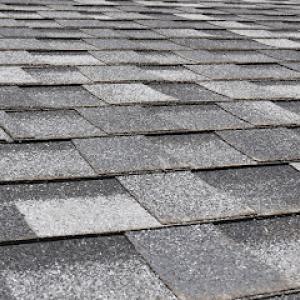
Mallett Construction
(856) 312-3229 www.mallettroofingnj.com
Serving
5.0 from 44 reviews
At Mallett Construction, we believe that the roofing installation process should be seamless. We pride ourselves on our ability to make beautiful, durable, and easy-to-maintain roofs. We offer a wide range of styles, colors, and materials so you can find the one that suits your home’s needs best. Whether you choose an asphalt roof or cedar shake roof, we’ll get the job done right. Call us at (856) 312-3229 for a free estimate!
Uncle Al's Roofing
(267) 222-1861 unclealroofing.com
Serving
4.9 from 68 reviews
Uncle Al's Roofing provides residential and commercial roofing services to customers in Pennsylvania, New Jersey, and Delaware.
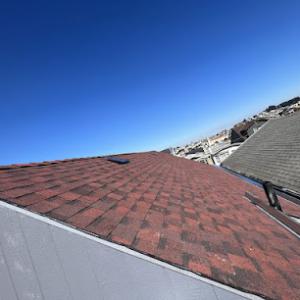
Milford Roofing
(609) 308-9066 milfordroofrepairinc.com
Serving
5.0 from 55 reviews
Milford Roofing delivers dependable roofing services to keep your property protected year-round. Our experienced team handles everything from leak repairs and storm damage restoration to complete roof replacements, using quality materials for lasting results. We focus on timely service, professional workmanship, and clear communication, ensuring the process is smooth and stress-free. Whether you need a quick fix or a brand-new roof, Milford Roofing is the trusted choice for reliable roofing solutions.
AJecks Roofing
(609) 502-7054 ajecksroofing.com
Serving
4.9 from 108 reviews
AJecks Roofing is proud to be the leading roofing contractor serving Marlton, NJ and the surrounding region. We specialize in shingle roofing, flat roofing, commercial roofing, repairs, gutters, fascia, soffits, and a full range of exterior home services. With years of proven expertise, our workmanship and results speak for themselves. Customer satisfaction is at the heart of everything we do. Our commitment to quality has earned us the trust and repeat business of nearly every homeowner and business we’ve served. We understand that every roofing project is unique, and we tailor our approach to meet each client’s specific needs—ensuring reliable, long-lasting results on every job.
Duane Mainardi Roofing
Serving
5.0 from 151 reviews
Roofing Siding Windows Doors and More
Warrior Construction
(609) 553-4754 www.warriorconstruction.org
Serving
4.6 from 38 reviews
We are a family owned company. Licensed and Insured, GAF Certifed specializing on asphalt roofing. BBB acredited with 20+ years roof experience. Installs and repairs. Free Estimate!
Iron Shield Roofing & Siding
(609) 358-3853 ironshieldroofingsiding.com
Serving
5.0 from 28 reviews
The team at Iron Shield Roofing & Siding has the skills and experience needed to provide quality roofing services in the Mays Landing & Vineland, NJ area. From roof repair to siding installation, our reliable crew can do it all. You'll be glad you trusted our experienced contractors with your home or place of business.
In this community, a full roof replacement typically requires a building permit through the Southampton Township Building Department rather than a separate Vincentown city office. The permit process is designed to ensure that work on storm-damaged roofs meets local codes, drainage requirements, and proper flashing practices that are essential for the Pinelands setting. The emphasis here is on reliable, watertight work that stands up to seasonal winds and debris from nearby woods, so permits are a smart step even when repairs seem straightforward.
The permit application can be filed by the contractor handling the job or, in some cases, by the homeowner if you're coordinating the project yourself. A typical review window occurs after submission, during which plans, materials, and inspection points are checked for compliance with Southampton Township codes. For repairs prompted by storm events, be prepared to document any prior damage and the proposed scope of work, including underlayment, flashing around chimneys and vent stacks, and proper drainage toward established eaves and gutters.
During installation, inspectors will visit to verify that the chosen roofing system and fasteners meet code requirements for wind resistance, roof deck integrity, and ventilation. The process usually includes at least one on-site inspection while work is underway. A final inspection is conducted after completion to confirm that the project is finished to code and that all components function as intended, including adequate attic ventilation and correct shingle or tile alignment.
If the inspector finds issues-such as improper flashing, inadequate deck preparation, or insufficient fastening-homeowners should expect the possibility of a re-inspection before the job can be officially signed off. Re-inspections can affect the overall closeout timing, particularly if corrective work is needed or if additional notes require revision of the original plan. Preparing in advance with a clear, code-aligned scope helps minimize delays.
Keep copies of all permit approvals, inspection notices, and any correspondence with the Building Department. Before grading or material deliveries, confirm with your contractor that the project aligns with the permit scope and associated inspection checkpoints. On storm-repair projects, document pre- and post-storm damage carefully, including photographs and dated notes, so you have a clear trail for the permit file and any potential insurer requirements. Finally, schedule coordination between the contractor's crew and the inspector to prevent overlapping visits, which can help the project advance more predictably.
In this part of the Pinelands-adjacent area, asphalt shingles run about $350 to $650 per square, metal roofs usually land between $700 and $1300 per square, clay tile from $900 to $1800 per square, concrete tile $850 to $1500 per square, synthetic/composite shingles $450 to $900 per square, and slate $1200 to $2500 per square. These ranges reflect the mid-town homes with varied roof pitches and older flashing details common to established stock. When you're matching premium existing roofs like slate or tile, costs can push higher, especially if you're chasing a near-match in color or texture or dealing with storm-driven demand.
Costs in Vincentown can rise when homeowners are matching premium existing roofs such as slate or tile, dealing with storm-driven demand spikes, or working on homes with chimneys and flashing-heavy rooflines. Four-season weather and wooded lots mean steeper pitches and more hillside debris, which translates into extra labor for securement, protection, and cleanup. If a contractor has to reseal multiple chimneys or reflash a chimney-to-roof transition, you'll see the impact in both materials and labor. In practice, expect higher bids during peak storm season and after a wind or hail event when multiple crews are racing to secure leaks.
Wooded lots and seasonal debris are a local reality, so cleanup is a real part of the scope. Contractors often emphasize that cleanup is included, since tear-off debris, leaves, and branch litter can lengthen the jobsite and require additional labor. When getting quotes, ask specifically how debris will be managed and whether disposal for old shingles and flashing is bundled into the price. If your roof has a heavy flashing layout or numerous penetrations, confirm that cleanup covers all lingering forest litter and any yard debris from access paths.
Don't let upfront costs delay a critical repair - these contractors offer payment plans to fit your budget.

Integrity Exterior Services
(609) 704-5358 integrityexteriorservices.com
Serving
4.9 from 87 reviews
In New Jersey's generally stable insurance market, you should expect carrier-by-carrier differences in how storm-related roof damage is evaluated, documented, and paid. Vincentown homeowners face a climate where spring storms and hail are a known local risk, so insurers tend to scrutinize roof condition, maintenance history, and whether damage is a sudden storm loss versus older wear. The outcome of a claim can hinge on these details, especially on steep-slope roofs common in the area.
Because timing matters, you should document damage as soon as possible after a storm and before any temporary repairs are removed. Adjuster timelines, deductible treatment, and requests for photo evidence vary by carrier, so having a clear, dated narrative of what happened helps. Take wide exterior shots of the roof, close-ups of lifted shingles or granule loss, and any interior signs of leakage. Keep records of storm warnings, wind speeds reported locally, and debris impacts to support a claim's cause.
If shingles show displacement, granule loss, or flashing gaps, contact your insurer promptly to set expectations about inspection sequencing. In Vincentown, the response can be smoother when you present a concise damage timeline, along with maintenance records that predate the storm to distinguish wear from new damage. Be prepared for questions about prior repairs or weather-related incidents, and maintain a straightforward file with notes, receipts, and communication logs. The more you document early, the more you help the claim stay on a steady course through the adjuster's review.
Connect with contractors who help homeowners navigate the claims process from damage assessment to final approval.
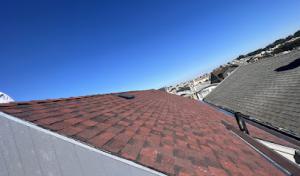
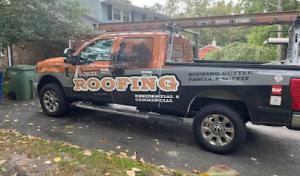
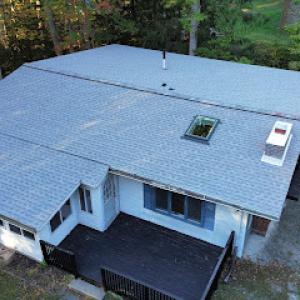
Skylight penetrations are a common leak point in this market, and the local contractor pool keeps pace with targeted skylight work. When spring storms loosen debris and fall winds push pine needles onto the roof, inspect skylight perimeter flashing and sealant first. Look for dried or cracked caulk, gaps between curb and glass, and any condensation that suggests an imperfect seal. In late fall, before winter sets in, re-seal joints and confirm that flashing sits tight against the roofing material. If a skylight shows recurring moisture, schedule a professional check rather than trying temporary fixes yourself, since failures often come from the flashing at the base or the curb rather than the glass itself.
Chimney intersections are a frequent maintenance site for older homes, where masonry meets asphalt or shingle roofs. In practice, expect aging or shifting mortar to compromise counterflashing and base flashing. Inspect the chimney step flashing where it turns onto the slope of the roof; after heavy winds or hail, you may notice hairline cracks or displaced metal. Plan a seasonal check that includes resealing the top of the chimney, re-caulking any gaps around the brick veneer, and ensuring that the chimney cricket or saddle diverts water away from the joint. When a leak appears near the chimney, consider replacing softened flashing with a corrosion-resistant channel that matches the roof profile.
Vincentown's freeze-thaw cycles stress perimeter details first: skylight perimeters and chimney flashings, especially after storms. After a windy, rainy, or hail season, re-tighten fasteners, re-bed sealant, and confirm that step flashing and counterflashing extend properly up the sides of the skylight or chimney. If an old roof line features multiple penetrations, consolidate maintenance visits so a single contractor can verify flashing continuity across all penetrations and reduce the chance of overlooked gaps. In any storm response, document observed gaps with photos and note when weather events preceded the leak so a repair plan aligns with proven weaknesses.
Find contractors experienced in skylight installation, flashing, and leak repairs to bring natural light into your home.